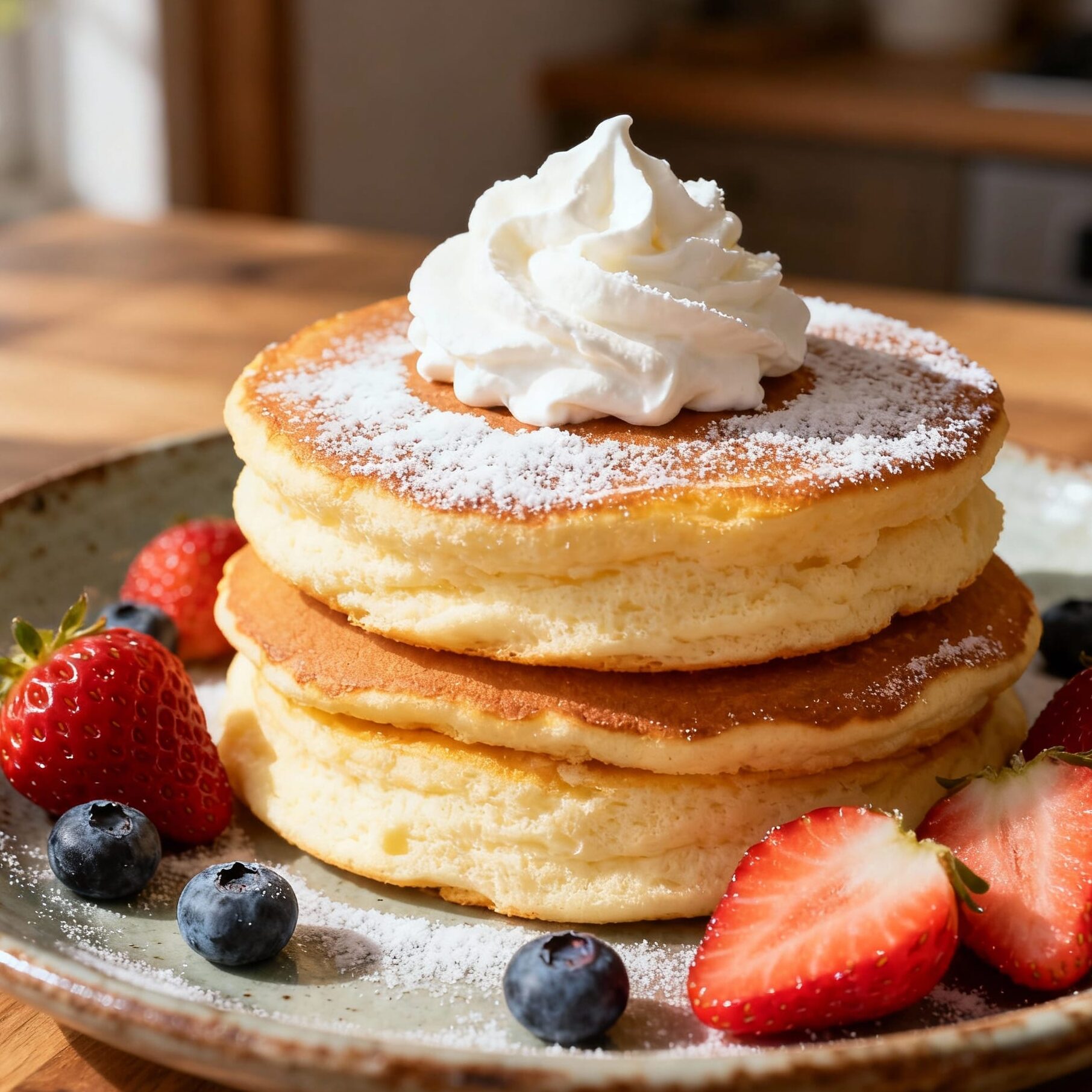
There are few dishes as enchanting as Japanese souffle pancakes. The first time I encountered them was at a small café tucked in a Tokyo side street, where the scent of vanilla and warm butter floated through the air. They arrived at the table stacked high like fluffy clouds, trembling lightly with every movement of the plate. Each bite felt like eating sweet air, soft yet indulgent, rich yet light. For many people who love sweet dishes recipes, these pancakes are the definition of comfort. They combine the elegance of classic soufflé technique with the familiarity of breakfast pancakes, creating something memorable that draws both experienced bakers and beginners into the kitchen.
This article will guide you through the story of Japanese souffle pancakes, their background, detailed steps to master them at home, and tips to avoid common pitfalls. We will also connect them to healthy sweets recipes, quick recipes snacks, and easy baking recipes, making them approachable for anyone who loves to experiment with new flavors and textures. Along the way, I will share personal cooking notes that come from trial, error, and joy.
The Story Behind Japanese Souffle Pancakes
The roots of Japanese souffle pancakes lie in Japan’s long-standing love for Western desserts. Japan has a rich culinary culture that embraces adaptation, transforming international food into something uniquely local. Pancakes, originally introduced as a Western breakfast dish, became popular in Japan during the twentieth century. Over time, creative chefs experimented with ways to make them lighter and taller. By borrowing techniques from French soufflé making, where egg whites are whipped into stiff peaks and folded gently into a batter, they created a new category of pancake that was airy, wobbly, and visually delightful.
Cafés in Japan began to specialize in these pancakes, often serving them with powdered sugar, whipped cream, and seasonal fruit. Their rise coincided with the explosion of tasty recipes videos on social media platforms. Watching the pancakes jiggle as they were placed on plates quickly became an internet sensation. Food videos desserts featuring souffle pancakes gained millions of views, turning them into an international phenomenon.
Today, Japanese souffle pancakes are no longer confined to Tokyo cafés. Recipes are available everywhere, from healthy food dishes cookbooks to delicious snacks recipes blogs. Many home cooks attempt them for special breakfasts, brunches, or dessert nights. Their success lies in the balance: they feel decadent, yet they are not overly heavy. They embody the charm of sweet snacks recipes that both adults and children love.
Why People Love Souffle Pancakes
At first glance, souffle pancakes look like a culinary challenge, but in reality, they are simple once you understand the basics. They appeal to a wide audience because they combine several qualities:
- Texture: Unlike traditional flat pancakes, these are airy and spongy. They almost melt in the mouth.
- Visuals: They are tall, fluffy, and beautiful, perfect for photography and for anyone who enjoys food videos desserts or creating quick recipes snacks content online.
- Flavor: Though light, they carry a gentle sweetness with hints of vanilla. Their subtle flavor makes them ideal for pairing with berries, syrups, chocolate drizzle, or even savory toppings.
- Experience: Eating them feels special, as though you are enjoying a dessert from a high-end café, yet they are easy enough to make at home with practice.
These qualities align souffle pancakes with modern cooking trends. In an age when many people search for quick recipes snacks or tasty recipes videos, a dish that is both eye-catching and simple gains popularity. Home cooks often want healthy sweets recipes that do not feel overwhelming. Souffle pancakes provide all of that in one dish.
The Science of Souffle Pancakes
The secret behind Japanese souffle pancakes lies in the eggs. Specifically, the process of separating yolks from whites and whipping the whites until they hold stiff peaks. This step creates tiny air bubbles, and when heat is applied during cooking, those bubbles expand, giving the pancakes their signature height and jiggle. Folding the egg whites gently into the yolk mixture ensures the batter remains airy rather than dense.
Flour, sugar, and milk provide the structure and sweetness. Baking powder is sometimes used, though many traditional recipes rely solely on egg whites for lift. Cooking them requires low heat and patience. Unlike regular pancakes that cook in a few minutes, souffle pancakes take time. The batter must set slowly, allowing the interior to remain soft while the exterior firms up. Some chefs use metal molds to keep the pancakes tall and round, while others prefer free-form versions for a rustic look.
This balance between science and art is what makes them a favorite among people interested in easy baking recipes. Once you grasp the process, you can adjust flavors and toppings to suit your preferences, making them versatile additions to healthy food dishes collections.
Step-by-Step Guide to Making Japanese Souffle Pancakes
Ingredients
- 2 large eggs
- 2 tablespoons sugar
- 1 teaspoon vanilla extract
- 2 tablespoons milk
- ¼ cup all-purpose flour, sifted
- ½ teaspoon baking powder
- Butter or oil for cooking
Instructions
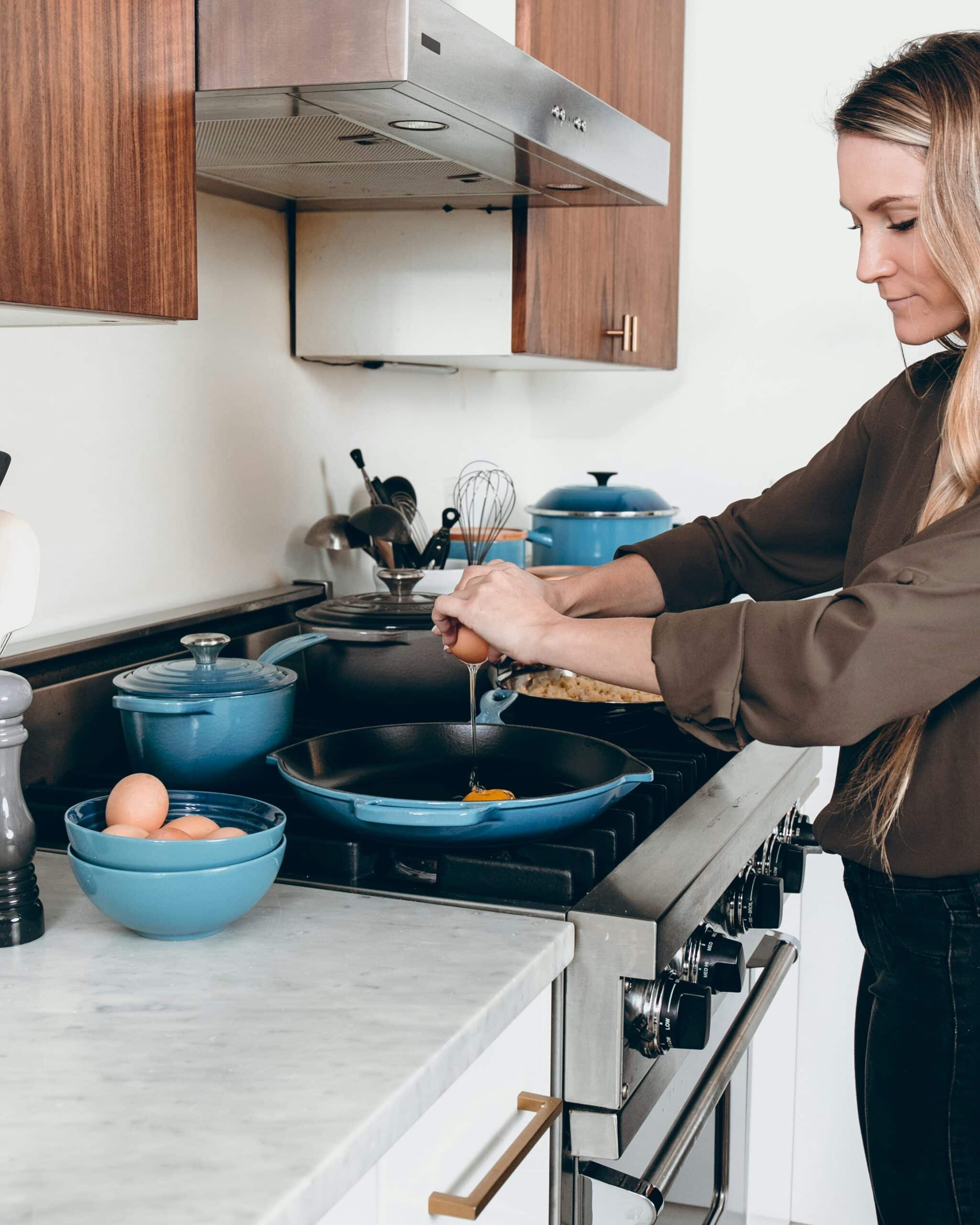
- Separate the Eggs: Place the yolks in one bowl and the whites in another. Be sure no yolk slips into the whites, as this can prevent proper whipping.
- Prepare Yolk Mixture: Whisk the yolks with milk and vanilla until smooth. Add sifted flour and baking powder, mixing until just combined. Do not overmix.
- Whip Egg Whites: Using a hand or stand mixer, beat the whites on medium speed. Once foamy, gradually add sugar. Continue beating until stiff peaks form.
- Fold Gently: Take one-third of the whipped whites and fold into the yolk mixture to lighten it. Then carefully fold in the rest, working slowly to avoid deflating the batter.
- Heat the Pan: Preheat a nonstick skillet over low heat. Lightly grease with butter or oil.
- Cook the Pancakes: Spoon mounds of batter into the pan. If desired, use ring molds for perfect shape. Cover with a lid and cook slowly for 4–5 minutes. Flip gently and cook for another 4 minutes.
- Serve: Dust with powdered sugar and top with whipped cream, syrup, or fresh fruit.
This recipe yields pancakes that are cloud-like and soft. They can be enjoyed plain or paired with fruit compote for a healthy sweets recipes twist. For those who enjoy delicious snacks recipes, a drizzle of chocolate sauce or a scoop of ice cream transforms them into a decadent dessert.
Variations and Flavor Ideas
Souffle pancakes are flexible, which makes them fun to experiment with. Here are some variations:
- Matcha: Add 1 teaspoon of matcha powder to the yolk mixture for a subtle earthy flavor. This pairs beautifully with whipped cream and red beans.
- Chocolate: Mix cocoa powder into the flour or drizzle melted chocolate on top. Perfect for sweet snacks recipes that feel indulgent.
- Fruit Filled: Fold small pieces of strawberries, blueberries, or bananas into the batter. These healthy food dishes adaptations add nutrition and natural sweetness.
- Savory: Replace sugar with grated cheese and herbs in the yolk mixture. Serve with smoked salmon or sautéed vegetables for a creative brunch dish.
Each variation reflects the spirit of easy baking recipes that can be adapted for personal taste and dietary needs.
Serving Ideas and Pairings
Japanese souffle pancakes are versatile enough for breakfast, brunch, or dessert. Here are some serving suggestions:
- Classic Café Style: Powdered sugar, fresh berries, and a dollop of whipped cream.
- Indulgent Dessert: Add a scoop of ice cream and chocolate drizzle, making them a star among tasty recipes videos.
- Healthy Brunch: Serve with Greek yogurt, honey, and sliced fruit for a healthy sweets recipes presentation.
- Seasonal Touches: In fall, top with cinnamon apples. In summer, serve with tropical fruit like mango and pineapple.
Pairing souffle pancakes with drinks elevates the experience. Green tea complements the subtle sweetness, while coffee provides a bold contrast. For families looking for delicious snacks recipes, pairing with warm milk or cocoa makes them kid-friendly.
Common Mistakes and How to Avoid Them
While souffle pancakes are approachable, some mistakes can deflate the final result.
- Deflating Egg Whites: Stirring too vigorously while folding can knock out air bubbles. Always fold slowly with a spatula.
- High Heat: Cooking over medium or high heat leads to burnt outsides and raw centers. Always cook over low heat with a lid.
- Impatience: These pancakes require time. Lifting the lid too early can cause them to collapse.
- Wrong Pan: Nonstick pans are crucial for easy flipping. Avoid stainless steel pans that may stick.
Learning from these mistakes is part of the fun. Even imperfect souffle pancakes taste good, which is why they continue to appear in food videos desserts and healthy sweets recipes blogs.
Storing and Reheating
Souffle pancakes are best enjoyed fresh, as their airy structure deflates over time. If you must store them, place in an airtight container in the refrigerator for up to 24 hours. To reheat, steam them gently rather than microwaving, which can make them rubbery. Though storage is possible, most people prefer making them fresh since the recipe falls under quick recipes snacks.
Japanese Souffle Pancakes in Modern Food Culture
The rise of Japanese souffle pancakes highlights how food spreads globally. They began as a local adaptation and became a worldwide sensation thanks to tasty recipes videos and food videos desserts. Today, they symbolize the way modern cooking embraces creativity and visual appeal.
From a cultural perspective, these pancakes reflect Japan’s ability to reinvent foreign dishes and make them uniquely Japanese. From a practical perspective, they demonstrate how simple ingredients like eggs, flour, and sugar can create something magical with the right technique.
For home cooks, trying souffle pancakes at least once is a rite of passage. They join the ranks of sweet dishes recipes that remind us how food can be playful, artistic, and nourishing at the same time. Whether you approach them as healthy sweets recipes or as indulgent delicious snacks recipes, they deliver joy to the table.
Final Thoughts
Cooking Japanese souffle pancakes at home might seem intimidating, but the process is deeply rewarding. The first time you watch them rise in the pan, you feel a mix of excitement and wonder. The aroma of vanilla and butter fills the kitchen, reminding you why food connects people so strongly. They fit into collections of easy baking recipes, healthy sweets recipes, and quick recipes snacks, making them suitable for every occasion.
If you love experimenting with sweet snacks recipes or enjoy watching tasty recipes videos, souffle pancakes are a must-try. They embody the creativity of modern cooking while staying rooted in traditional techniques.
The next time you crave something special, gather your ingredients, set aside a little extra time, and create these cloud-like pancakes. With practice, patience, and care, you will discover why Japanese souffle pancakes continue to win hearts around the world.
Print
Japanese Souffle Pancakes
- Total Time: 25 minutes
- Yield: 2 servings 1x
Description
There are few dishes as enchanting as Japanese souffle pancakes fluffy, cloud-like treats that melt in your mouth and bring joy to every bite. These elegant pancakes combine French technique with Japanese creativity, making them perfect for breakfast, brunch, or dessert.
Ingredients
- 2 large eggs
- 2 tablespoons sugar
- 1 teaspoon vanilla extract
- 2 tablespoons milk
- ¼ cup all-purpose flour, sifted
- ½ teaspoon baking powder
- Butter or oil for cooking
Instructions
- Separate the eggs, placing yolks in one bowl and whites in another. Ensure no yolk gets into the whites.
- Whisk yolks with milk and vanilla until smooth. Add sifted flour and baking powder, mixing until just combined.
- Using a hand or stand mixer, beat egg whites until foamy. Gradually add sugar and continue beating until stiff peaks form.
- Fold one-third of the whipped whites into the yolk mixture to lighten it, then gently fold in the remaining whites without deflating the batter.
- Preheat a nonstick skillet over low heat and lightly grease with butter or oil.
- Spoon mounds of batter into the pan. Use ring molds if desired. Cover with a lid and cook for 4–5 minutes.
- Flip gently and cook for another 4 minutes, until set and golden.
- Serve warm, dusted with powdered sugar and topped with whipped cream, syrup, or fresh fruit.
Notes
Patience is key—cook on low heat and avoid peeking too early. For perfect texture, fold the egg whites gently to keep the batter airy.
- Prep Time: 15 minutes
- Cook Time: 10 minutes
- Category: Breakfast
- Method: Stovetop
- Cuisine: Japanese
Nutrition
- Serving Size: 1 stack
- Calories: 220
- Sugar: 10g
- Sodium: 160mg
- Fat: 8g
- Saturated Fat: 3g
- Unsaturated Fat: 4g
- Trans Fat: 0g
- Carbohydrates: 28g
- Fiber: 0.5g
- Protein: 7g
- Cholesterol: 110mg