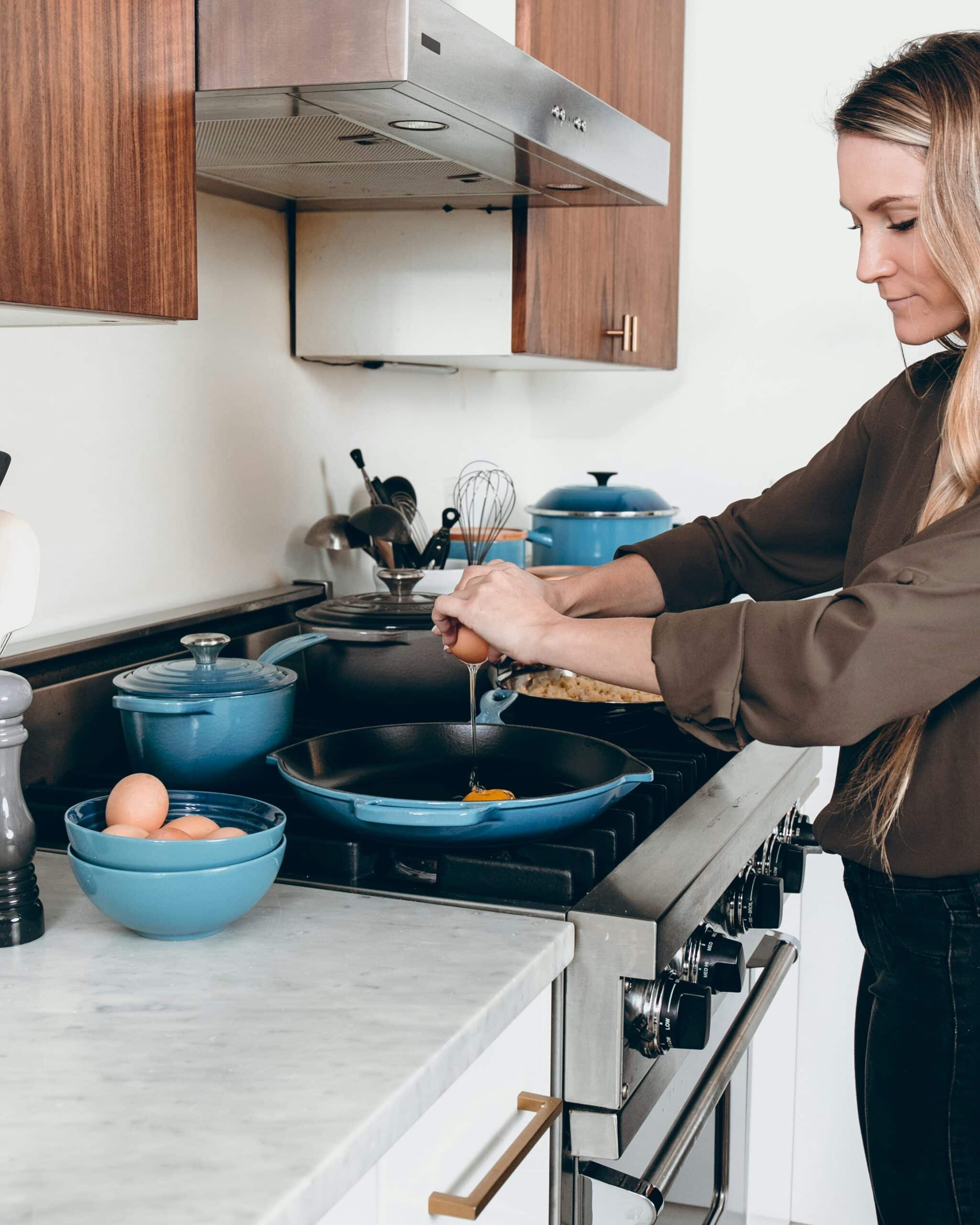
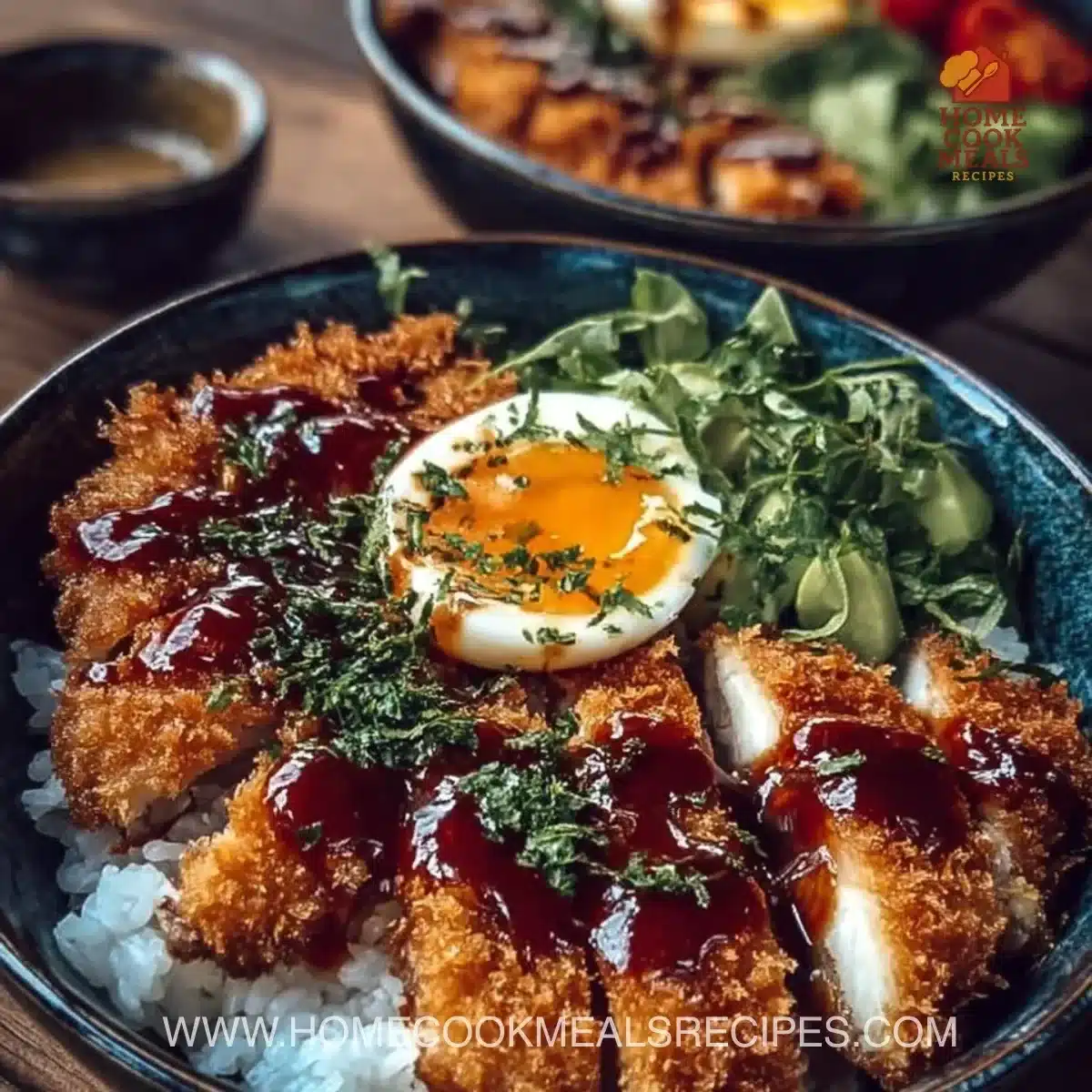
Start with the clatter of plates as my kids set the table and the warm, savory smell that threads through the house. The first pop of oil in my pan is like a small promise: dinner will be homey, crunchy, and generously saucy. I remember my grandmother slicing her cutlets with care and letting everyone pick their favorite topping. Tonight, those same warm, comforting notes become Japanese Katsu Bowls for my family, and the room fills with that quiet, happy bustle of people ready to eat together. It’s simple food that feels like a hug.
Why This Japanese Katsu Bowls Feels Like Home
There is something about the crunch of panko and the sweet tang of tonkatsu sauce that pulls everyone to the table. This dish combines textures and flavors that are familiar and exciting at the same time. The rice is soft and pillowy, the cutlet is crisp, and the drizzle of sauce ties it all together. It’s comfort food, but it also feels a little special.
Meanwhile, it’s also practical. The steps are straightforward, and the technique is something you can teach to kids. This recipe is an easy way to bring a restaurant-style dish into a regular weeknight without fuss. 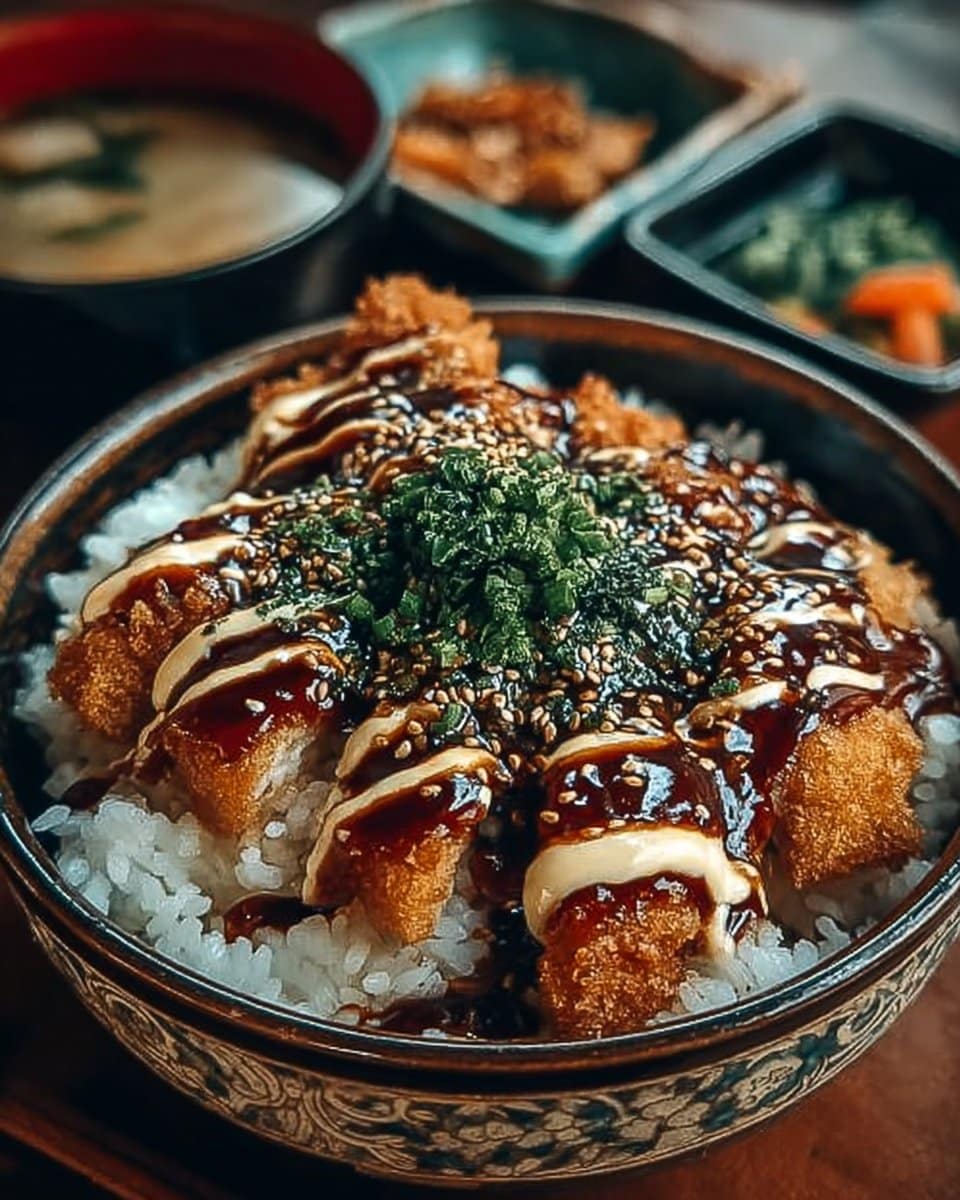
I also love that Japanese Katsu Bowls are a great bridge between cultures on a busy night. When guests ask what we’re having, they always lean in. It sparks small conversations — about where the flavors come from, how to get the best crunch, or which child prefers extra sauce.
If you like family dinners that feel a touch lifted but are still easy, you’ll find this dish fits right in with meals like my Greek Chicken Bowls, where simple ingredients create a lot of joy.
Why Japanese Katsu Bowls is Our New Family Favorite
This recipe hits three keys for my family: quick prep, crowd-pleasing taste, and fun texture. The breading step is almost therapeutic, and the frying gives an immediate payoff of golden color and crunch. Kids like to watch the transformation from raw cutlet to crisp katsu, and adults enjoy the deep, savory finish of the sauce.
From an efficiency angle, you can prep parts ahead — season the cutlets, lay out the breading station, and cook the rice earlier. When the time comes, it’s mostly frying and assembly. That makes it perfect for nights when schedules are full but you still want something made at home.
It’s also flexible. Use pork or chicken depending on what you have. Add quick veggies on the side or a simple salad, and you have a full, balanced meal. For more bowl ideas that keep things fresh and efficient, try checking out this high-protein breakfast bowls post — they’re all about smart prepping and flavor.
The Simple Magic Behind Japanese Katsu Bowls
What makes this dish sing is contrast. The crunchy exterior meets the tender meat, the sweet-savory sauce brightens the rice, and fresh greens add crispness. That balance is what turns simple ingredients into something memorable.
I’ll share my small tricks: always press the panko lightly so it sticks without clumping, and heat the oil to the right temperature so you get an even golden crust. These little moments make a big difference in the final texture.
The Cooking Process, Made Joyful
“This is where the magic happens—when the aroma fills the kitchen and my kids come running in, asking ‘Is it ready yet?’”
Next up is a quick overview: You season the cutlets, set up a three-part breading station, and fry to golden perfection. Look for a deep, even gold color in the crust and a clear, meaty aroma that tells you the center is cooked. The rice should be fluffy and warm, ready to carry the cutlet and sauce.
The color cue to watch for is a medium-deep golden brown on the panko. If it browns too quickly, lower the heat. If it takes too long, raise it slightly. From there, slice and serve over rice with a generous drizzle of tonkatsu sauce, and bright green scallions for contrast.
How to Make Japanese Katsu Bowls, The Heartwarming Way
Step-by-step, we’ll keep things simple and cheerful. Think of this as a shared kitchen moment: someone manages the pan, someone helps slice, and someone sets the bowls. It’s easier than it looks, and you might surprise yourself with how fast it all comes together.
Step-by-Step Directions
-
Begin by seasoning the pork cutlets with salt and pepper.
Pat the cutlets dry so the seasoning sticks. A light hand with salt goes a long way.
Quick tip: let them sit at room temperature for 10 minutes if you have time.
-
Set up a breading station with three shallow dishes: one with flour, one with beaten eggs, and one with panko bread crumbs.
Arrange them in order so your hands move naturally from flour to egg to panko.
Encourage kids to help with the panko step if they are old enough. It’s the fun part.
-
Dredge each cutlet in flour, dip into the egg, and coat with panko.
Press the panko gently to help it adhere evenly. Avoid over-working the coating.
Tip: coat the edges too; that keeps the whole piece crisp.
-
Heat oil in a frying pan over medium heat. Fry the breaded cutlets until golden brown and cooked through, about 5 minutes per side.
Use a thermometer if you like: aim for the oil around 350°F for best results.
Little browned bits build flavor, so don’t be afraid of a bit of color.
-
Remove from the pan and let drain on paper towels.
Let them rest for a couple of minutes so the juices redistribute.
Resting also firms up the crust so slicing is tidy.
-
Slice the cutlets and place them over a bed of fluffy rice.
Slice against the grain for the most tender bites. Arrange the pieces neatly.
Make the rice slightly mounded so the cutlets sit pretty on top.
-
Drizzle with tonkatsu sauce and sprinkle with chopped green onions.
Taste as you go. A little more sauce is often the right call at the table.
Add optional sesame seeds if you like a nutty finish.
-
Serve with any additional vegetables on the side.
Thinly shredded cabbage, quick pickles, or steamed carrots are lovely options.
Let everyone add their favorite toppings to personalize their bowl.
Each step is approachable, and the process becomes almost meditative if you let it. A little browning here builds flavor, just like grandma showed me. If you want to swap pork for chicken, follow the same steps and adjust the frying time slightly.
Ingredients You’ll Need
- Pork cutlets
- Panko bread crumbs
- Eggs
- All-purpose flour
- Salt
- Pepper
- Tonkatsu sauce
- Cooked rice
- Green onions (for garnish)
- Vegetables (optional, e.g., cabbage or carrots)
Don’t skip the fresh green onions; they add life to the bowl. Use what’s in your fridge — this is about creativity, not perfection. If you want to lighten things up, try serving with a crisp salad on the side. For bowl inspiration that keeps protein front and center, I often glance at this protein bowls recipe for ideas about balance and portion.
Preparing Japanese Katsu Bowls Without the Stress
The trick to stress-free dinner is to break the recipe into small, manageable parts. Make rice earlier in the day and keep it covered. Mix your beaten eggs and set out your panko before you begin frying. With the prep station ready, cooking becomes a straightforward assembly line.
I also keep a little station for cleanup: a bowl for used paper towels, a plate for cooked cutlets, and a small towel for quick hand drying. It makes the end-of-dinner sweep easier and keeps the mood light.
Serving Japanese Katsu Bowls with Love
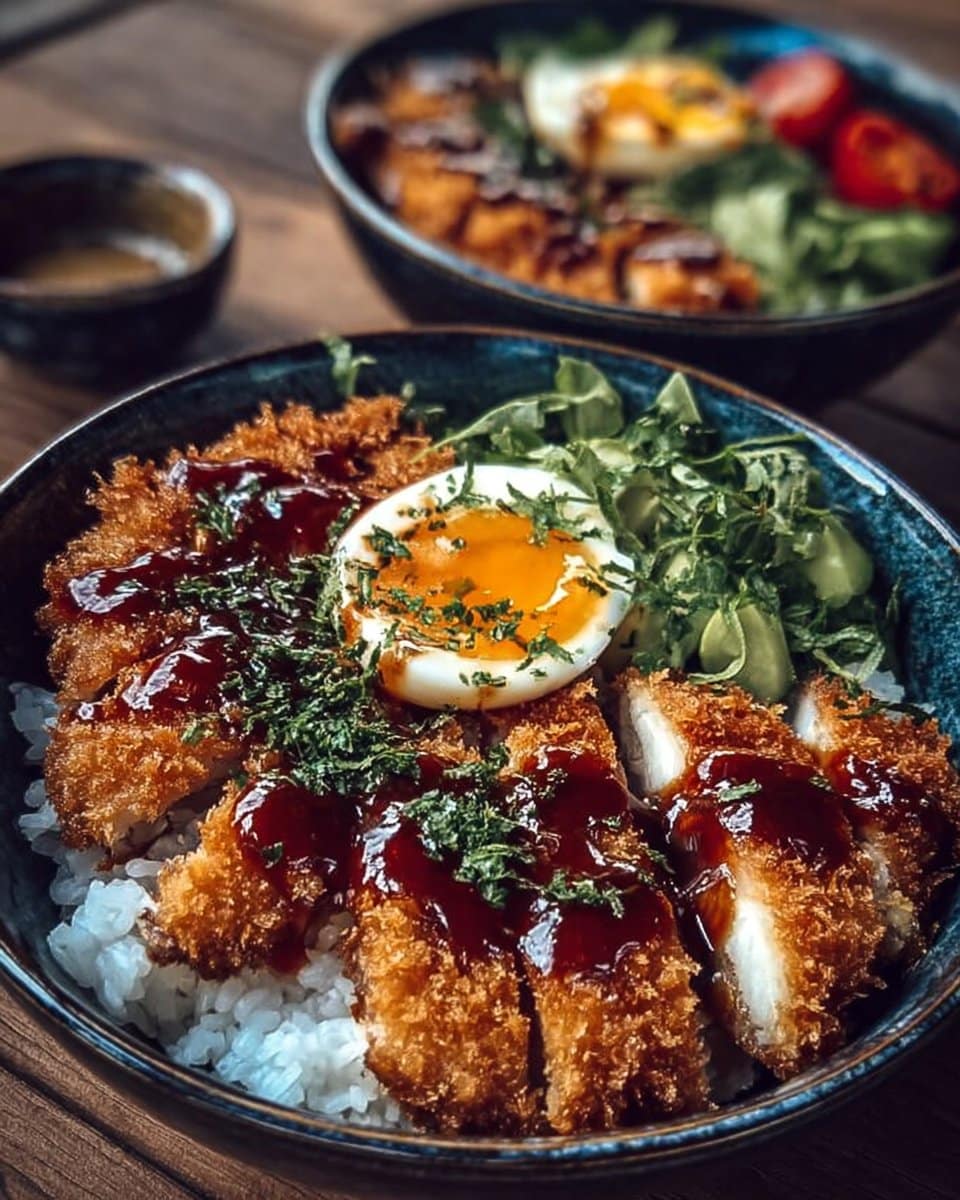
We serve these bowls family-style in the middle of the table and let everyone help themselves. I like to set small dishes of extra tonkatsu sauce, a bowl of pickled cabbage, and a little tray of sliced cucumbers. My kids often pile on extra rice and sauce, while my partner prefers a bit more cabbage.
If you’re feeding a crowd, lay the cutlets out on a large platter and let people pick their slices. For a quieter dinner, plate individually with a neat pile of shredded cabbage and a small lemon wedge on the side.
Sometimes, we pair the bowls with something different, like a light fish dish. If you enjoy mixing textures and tastes, take a look at my version of honey sriracha salmon bowls for a spicy-sweet companion idea.
The Best Way to Share This Meal
Make it interactive. Put out toppings and let everyone decorate. Add toasted sesame seeds, sliced nori, or a soft-boiled egg. The sharing turns dinner into a small celebration, and those little choices become the stories kids remember later.
Storage & Reheat Tips (Keeping the Goodness)
Leftovers can be excellent, but crispness is the trickiest part to preserve. Store the cutlets and rice separately if you can. Wrap the katsu in a single layer with paper towels to absorb excess moisture and keep them in the fridge for up to 3 days.
When reheating, the oven or a toaster oven brings back the best texture. Preheat to 375°F and warm on a rack for about 8 to 10 minutes until heated through and crisp. The microwave is fine for a quick lunch, but the crust will soften.
If you’ve already dressed the cutlets with sauce, warm gently in a skillet with a splash of oil to refresh the coating. Once cooled, a wrapped cutlet also freezes well if vacuum sealed or tightly wrapped, and reheats best from thawed in the oven.
My Kitchen Notes & Shortcuts
- Pre-slice and flatten the cutlets: pounding them to an even thickness makes frying faster and more even.
- Use shallow oil and a heavy pan: it heats steadily and reduces splatter.
- Make a simple quick pickle while the rice cooks: thinly sliced cabbage tossed with rice vinegar and a pinch of sugar adds brightness.
- Prep a breading station on a tray: it keeps your countertop neat and makes it easy for kids to participate.
- Swap proteins without changing the steps: chicken, pork, or even tofu work well.
If you want to pair this bowl with a breadier side, try exploring my spaghetti garlic bread bowls post for ideas on combining comfort dishes.
Family-Friendly Variations
Our family likes to tinker. Here are a few low-effort twists you can try:
- Lighter version: bake instead of fry. Coat, place on a wire rack, and bake at 425°F for 15 to 20 minutes.
- Kid-friendly: cut the cutlet into strips before frying for easy dipping and sharing.
- Egg-topped: simmer sliced cutlets in a lightly seasoned, beaten egg for a katsudon-style finish.
- Curry twist: serve with a spoonful of mild Japanese curry sauce on the rice for a richer bowl.
- Vegetarian: swap pork for firm tofu slices pressed and breaded the same way.
Playing with tradition is part of making the meal your family’s own. Give it a try and encourage little chefs to add one new twist each time.
FAQs About Japanese Katsu Bowls
Can I make this ahead for a busy week?
Absolutely. Cook the cutlets and store them separately from rice. Reheat in the oven for best texture. Let things cool before packing so condensation does not make the crust soggy.
What if I only have panko or regular breadcrumbs?
Panko gives the lightest crunch, but regular breadcrumbs will work in a pinch. Mix in a little crushed cornflakes for extra texture if you like.
How do I keep the breading from falling off?
Pat the cutlet dry and press each layer gently in the breading station. Rest the breaded cutlets on a rack for a short time before frying to help the coating set.
Is tonkatsu sauce necessary?
It’s traditional and delicious, but you can use a mix of ketchup and Worcestershire sauce in a pinch. Add a little sugar and soy sauce to mimic the sweet-savory balance.
Can I use chicken instead of pork?
Yes. Chicken thighs or breasts work well. Adjust frying time: thinner pieces cook faster, so watch for an internal temperature of 165°F.
One Final Thought from My Kitchen
I hope this recipe becomes a favorite in your kitchen. It’s one of those dishes that brings people together: the crunch invites conversation and the sauce invites a second helping. If your kids ask for extra sauce or your partner requests the leftovers for lunch, then you know you’ve made something worth repeating.
Until next time, give it a try, and don’t worry about perfection. The joy of cooking is in the small moments—shared plates, warm hands, and laughter over a messy table. May this bowl add another warm memory at yours.
Conclusion
If you want more inspiration for katsu-style bowls and variations, these recipes are fantastic references and will help you explore different takes and sauces:
- Crispy Chicken Katsu Bowls. – Half Baked Harvest offers bright sauces and beautiful plating ideas.
- Crispy Chicken Katsu Bowls with Sriracha Mayo adds a spicy, creamy twist that families often adore.
- Katsudon Japanese Pork Cutlet and Egg Rice Bowl – The Woks of Life shows the classic egg-topped version if you want to try a traditional take.
- Easy Chicken Katsu Bowls – Simply Delicious includes curry mayo ideas that are great for weeknights.
- Chicken Katsu Rice Bowls – Eight Forest Lane offers helpful notes on sides and plating to make your bowls shine.
If you try the recipe, tell me how your family liked it. I keep a little mental notebook of what works — which tweaks make everyone smile — and I love to share those small successes. Happy cooking, and may your kitchen be full of delicious noise.
Print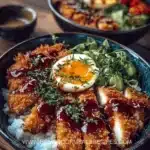
Japanese Katsu Bowls
- Total Time: 20 minutes
- Yield: 4 servings 1x
- Diet: Pork
Description
Comforting Japanese Katsu Bowls with crispy breaded cutlets served over fluffy rice, drizzled with sweet tangy tonkatsu sauce and topped with fresh green onions.
Ingredients
- 4 pork cutlets
- 1 cup panko bread crumbs
- 2 eggs, beaten
- 1 cup all-purpose flour
- Salt, to taste
- Pepper, to taste
- 1/2 cup tonkatsu sauce
- 2 cups cooked rice
- Green onions, chopped (for garnish)
- Vegetables (optional, e.g., cabbage or carrots)
Instructions
- Season the pork cutlets with salt and pepper. Pat them dry to help the seasoning stick.
- Set up a breading station with shallow dishes for flour, beaten eggs, and panko bread crumbs.
- Dredge each cutlet in flour, dip into the egg, and coat with panko, pressing gently.
- Heat oil in a frying pan over medium heat. Fry the breaded cutlets for about 5 minutes per side until golden and cooked through.
- Remove from the pan and let drain on paper towels.
- Slice the cutlets and place them over a bed of fluffy rice.
- Drizzle with tonkatsu sauce and sprinkle with chopped green onions.
- Serve with optional vegetables on the side.
Notes
For a lighter version, try baking the cutlets instead of frying. Also, let everyone personalize their bowls with extra toppings.
- Prep Time: 10 minutes
- Cook Time: 10 minutes
- Category: Main Course
- Method: Frying
- Cuisine: Japanese
Nutrition
- Serving Size: 1 serving
- Calories: 600
- Sugar: 8g
- Sodium: 800mg
- Fat: 30g
- Saturated Fat: 9g
- Unsaturated Fat: 15g
- Trans Fat: 0g
- Carbohydrates: 45g
- Fiber: 2g
- Protein: 32g
- Cholesterol: 150mg