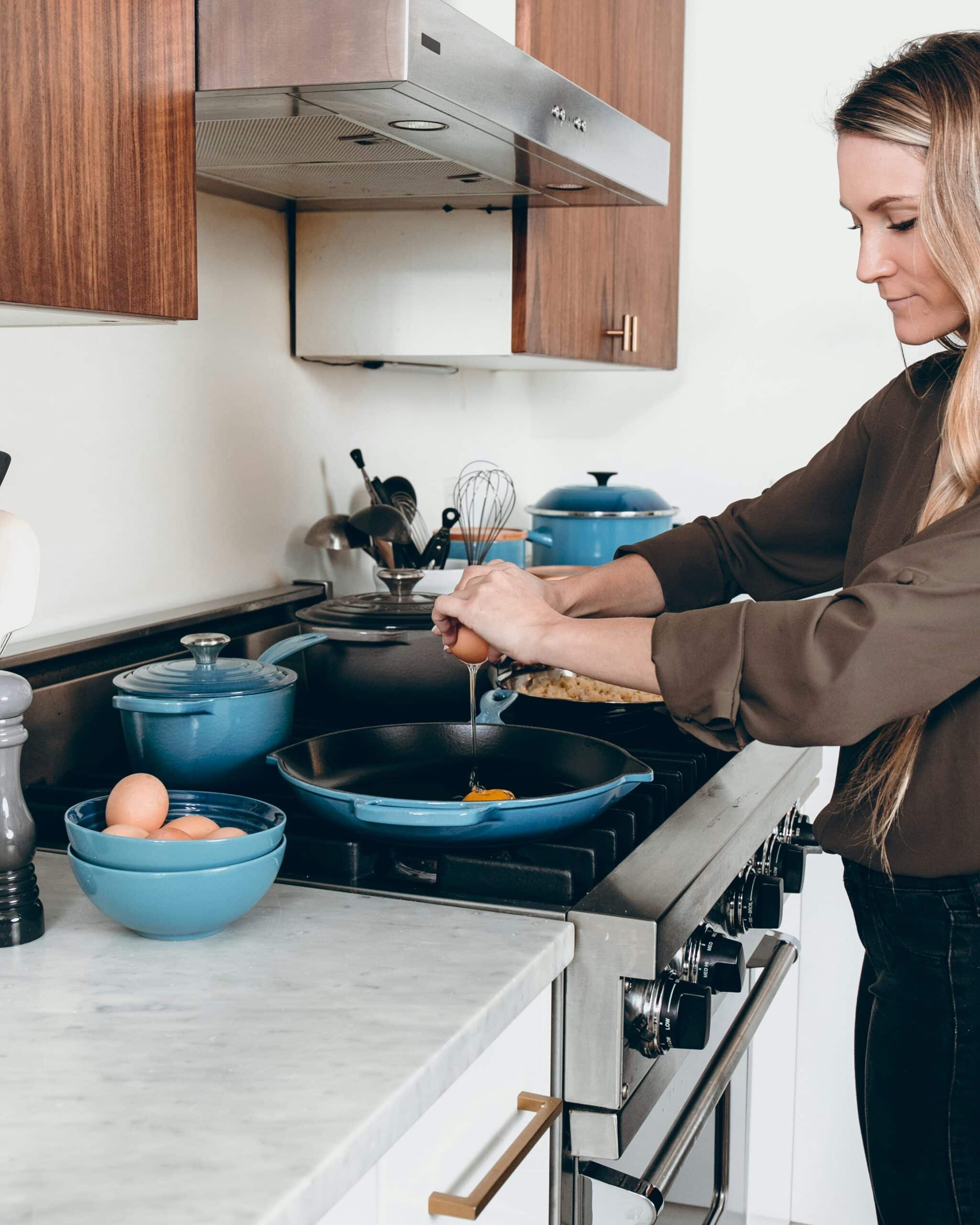
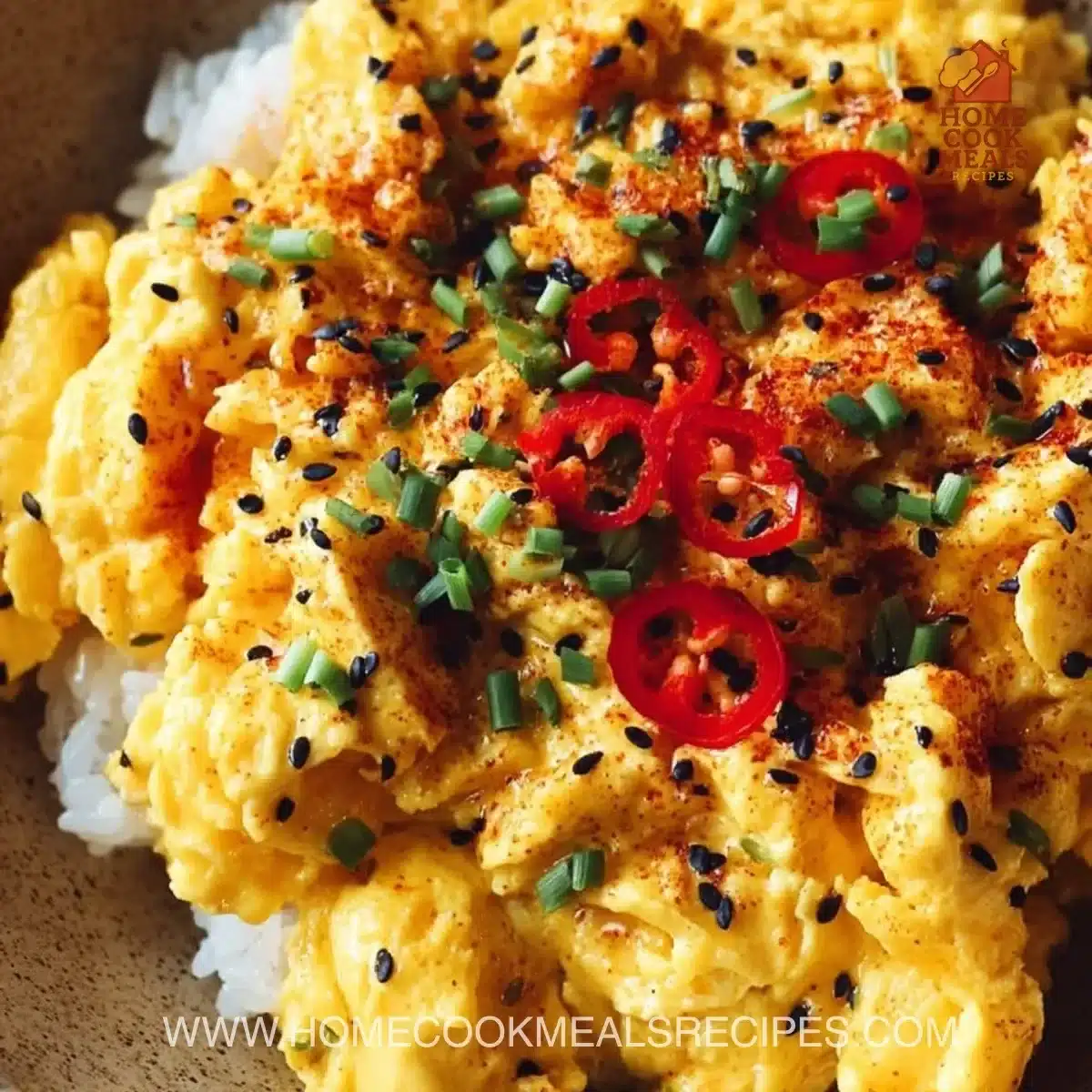
I can still hear the pan the first time I made these: a soft sizzle, the sweet warmth of miso lifting into the kitchen, and my little one announcing from the table that it smelled like "a cozy hug." There’s a kind of comfort in that sound, and the dish that made it is simple enough for a weeknight and gentle enough for a slow morning when the light is soft and the day hasn’t decided its hurry. If you want something small that carries big flavor and quiet company, this is it — and yes, sometimes I pile it over rice and call it dinner. mushroom spinach scrambled eggs
Why You’ll Love This Miso Scrambled Eggs
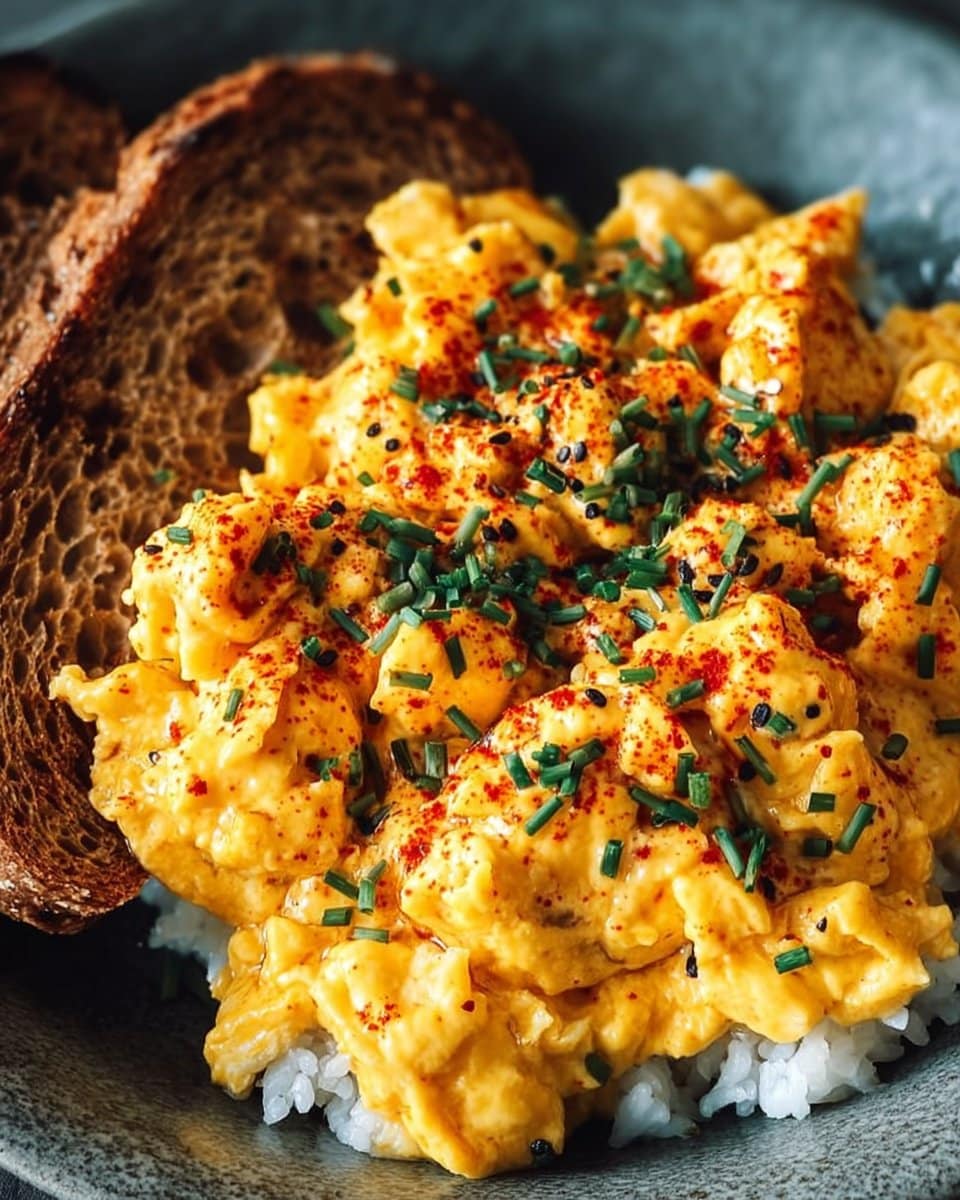
This recipe is a small, steady miracle for busy kitchens. It comes together in minutes and asks for almost nothing in return: a bowl, a whisk, and a warm pan. The miso adds a deep, savory note so you don’t have to load the eggs with salt or a dozen extras. That means fewer dishes and more time at the table.
It belongs in your rotation because it is forgiving. You can scale it up for company or keep it small for one. Kids often like the soft texture, and adults notice the umami that makes it feel like a thoughtful meal. From my stubbornly messy weeknight past, this is the kind of recipe I reach for when I want comfort without complication. Meanwhile, if you want a green side or a quick sautéed veggie, this dish happily shares space on a plate. quick egg recipes
The Comfort and Ease Behind Miso Scrambled Eggs
I love how the miso quietly transforms ordinary eggs into something more grown-up and warm. It’s not showy; it’s the kind of flavor that sits beside you and starts a conversation. The butter or oil helps carry flavor and gives the eggs a silky mouthfeel so each bite feels like a small, warm memory.
If life is full of overlapping steps, this dish is gentle. You can whisk while the kettle hums, chop green onions while the pan heats, and by the time someone has taken their coat off, the eggs will be ready. This is the recipe I turn to when the day needs a reliable, delicious anchor.
How I Make Miso Scrambled Eggs Without Overthinking It
“When it smells this good halfway through, you know dinner’s already on your side.”
Start with a calm plan. Whisk the eggs and miso together until the miso is smooth and well mixed, and you’ll notice the mixture turn slightly glossy. Heat a non-stick pan on medium; you want butter to melt but not brown. Pour the eggs in and stir slowly, scraping the bottom with a spatula. Look for soft curds and a creamy shine. That’s your cue to stop; carryover heat will finish the set.
Visual cues matter more than a strict timer. The eggs should look tender and slightly wet when you take them off the heat. If the pan seems to cling or the eggs are glossy but runny, give them a few more quiet stirs. Once warmed and soft, they should slide gently on a spoon, not bead up.
I often make a small side while the eggs rest — a handful of greens dressed quickly with soy or lemon. It’s the sort of pairing that keeps things bright without fuss. If you like, try a gentle toasted bread or a bowl of warm rice. For another take, see my notes on pairing this with a quick sautéed veggie. easy weeknight meals
What Goes Into Miso Scrambled Eggs
Ingredients You’ll Need
2 large eggs
1 tablespoon miso paste
1 tablespoon milk or water
1 teaspoon butter
Salt to taste
Chopped green onions for garnish (optional)
These are small, clear things that add up. The eggs are the canvas, miso brings the backbone of flavor, and milk or water loosens the mix so the curds stay tender. Butter helps the eggs cook gently and adds a tiny richness you don’t want to skip if you can help it. Green onions are optional but give a fresh, bright finish.
If you’re missing one item, improvise. A splash of cream instead of milk will be richer, water keeps it light, and a mild white miso will be softer than a red miso. Don’t skip the miso entirely; that is the one ingredient that carries the flavor profile we’re after.
Step by Step Directions
The Cooking Process Made Simple
-
In a bowl, whisk together the eggs, miso paste, and milk (or water) until well combined.
- Whisk until you can’t see streaks of miso. A smooth, slightly glossy mix is your goal.
-
Heat a non-stick skillet over medium heat and add the butter. Allow it to melt and coat the pan.
- The butter should foam but not brown. If it starts to brown, lower the heat a touch.
-
Pour the egg mixture into the skillet.
- Tilt the pan so the eggs touch the whole surface. The edges will set first.
-
Stir gently with a spatula, scraping the bottom of the pan, until the eggs are soft and slightly creamy, about 2-3 minutes.
- Stir in slow, deliberate folds. Look for soft curds and a glossy finish. Don’t overwork them; gentle movements keep them tender.
-
Season with salt if needed and remove from heat.
- Taste a small bit before salting — miso can be salty already. Pull the pan when the eggs still look a touch wet.
-
Serve immediately, garnished with chopped green onions if desired.
- Let them rest for a minute or two off the heat so they finish gently. Serve right away for the best texture.
These steps keep the rhythm calm and simple. You are aiming for tender curds and a warm, savory finish. If you have a small ceramic bowl or a slice of buttered toast, too, this is the kind of dish that feels like home.
Serving Miso Scrambled Eggs at the Table
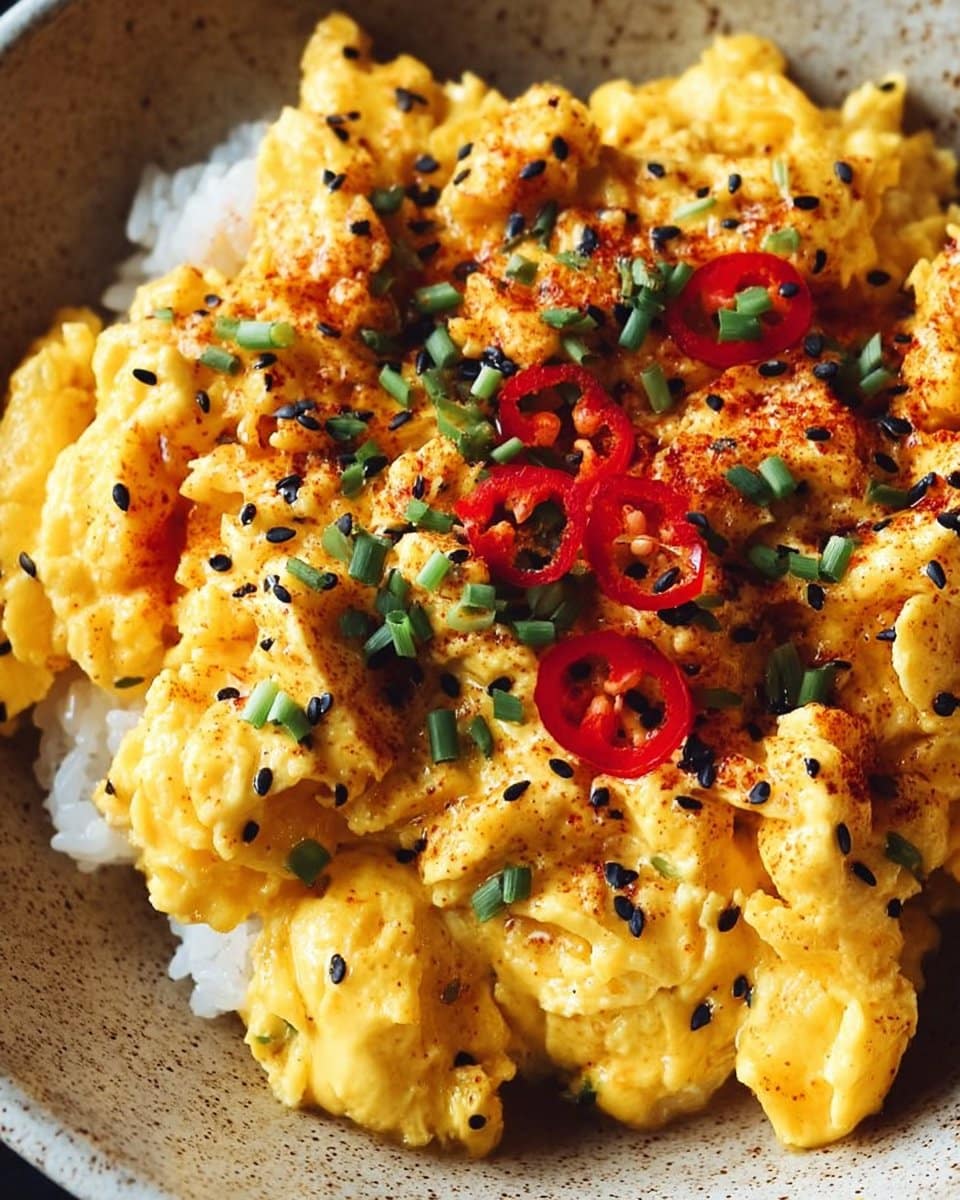
I like to spoon these into shallow bowls for a family-style breakfast or scatter them over warm rice for a comfort dinner. Leftovers can go into a sandwich the next day or join a bowl with pickled cucumbers and a drizzle of sesame oil. A small side salad or a quick sauté of spinach keeps the plate bright.
For a casual weeknight, we pile the eggs on buttered toast and add a few soy-droplets for people who want a sharper hit. For a quieter morning, a sprinkle of toasted sesame or a few drops of chili oil gives a warm lift. Set the eggs in the center and let everyone add what they like — it keeps things relaxed and everyone gets to make it their own.
If you prefer bowls, rice under the eggs with a scattering of nori or furikake is a fast, family-friendly option. My kids will sometimes add a dash of ketchup, which is its own kind of comfort. Serve hot and remember that these eggs are happiest when eaten right away.
Saving Miso Scrambled Eggs for Tomorrow
Storage and Reheating Without Losing Flavor
Store cooled eggs in an airtight container in the fridge for up to 3 days. They hold flavor well, though the texture will soften a bit. If you plan to reheat, add a splash of water or milk before warming to keep things from drying out. Reheat gently over low heat or in short bursts in the microwave, stirring often.
Freezing scrambled eggs is possible but not ideal for texture. If you must freeze, cool quickly and wrap tightly; use within a month. Thaw in the fridge and reheat slowly. For best results, use leftovers in a mixed dish — fold them into fried rice or a warmed noodle bowl where their softer texture blends into the whole.
Be honest with timing: eggs are best fresh, but this recipe’s flavor stands up well to a quick reheat. If you want variety, turn leftovers into a small bake with veggies, or chop and toss into a salad with warm grains.
Notes From My Kitchen
What I’ve Learned After Making This a Few Times
- Use the right miso. A white miso gives a gentle, sweet umami while a darker miso gives a deeper, savory punch. I tend to keep white miso around for morning eggs.
- Keep your heat calm. Medium or medium-low gives you the best control and avoids overcooking. I once turned the heat up too high and ended up with tough, rubbery eggs; lesson learned and retold at family dinners.
- Whisk until smooth. That small step keeps miso from clumping and makes for even flavor in every bite.
- Clean as you go. If you wipe the bowl and spatula between steps, you’ll save time later and make the process feel less like a chore.
- If you want a creamier finish, add a tiny touch more butter right at the end. It melts into the curds and gives a plush mouthfeel.
These are the little habits that have kept this recipe approachable and reliable. Over time, they save me stress and make dinner feel like a shared pause.
Family Twists on Miso Scrambled Eggs
Easy Ways to Change It Up
- Add heat: Stir in a pinch of chili flakes or a spoon of chili paste before cooking for a spicy lift.
- Make it green: Fold in blanched spinach or quickly wilted bok choy just before serving.
- Add mushroom: Sauté thinly sliced mushrooms in the pan first, then pour eggs over them. If you like more savory depth, this is a favorite. scrambled eggs variations
- Cheese please: A small grating of mild cheese at the end makes it richer for kids who like that texture.
- Herb swap: If green onions are not your thing, try chives, a few shreds of basil, or a sprinkle of dill.
These are small swaps that keep the base fast while giving you different moods for the same simple dish.
FAQs About Miso Scrambled Eggs
Questions I Get About This Recipe
Q: Can I make this ahead?
A: Yes. The flavors settle overnight and can be even better the next day. Reheat gently and add a splash of water to keep the texture pleasant.
Q: What kind of miso should I use?
A: Start with white miso for a milder taste. If you like more depth, try a darker miso, but use a little less at first and taste as you go.
Q: Can I skip the butter?
A: You can. Use a neutral oil or a little olive oil if you prefer, but butter gives a soft, silky finish that I recommend when possible.
Q: Are these safe for kids?
A: Absolutely. The texture is soft and the miso flavor is mild, so most kids will accept it. If your child is trying new ingredients, go slow with the miso at first.
Q: How much salt should I add?
A: Taste before adding salt. Miso can be quite salty, so often you will not need more than a light sprinkle if any.
A Final Bite
One last thought from my kitchen: small, steady recipes like this one have a way of threading through ordinary days and making them feel connected. Miso Scrambled Eggs are easy to love because they are kind and consistent. They ask for simple attention and give back warm, full flavor. When you’re ready to try it, give yourself the space to enjoy the process and the company. See what small adjustments make it yours, and keep the ones that bring the most smiles.
Conclusion
If you want a quick primer on the idea behind this dish, this piece from Bon Appétit is a lovely read: Add Miso to Your Scrambled Eggs Now (Thank Me Later) | Bon Appétit. For another home cook’s take and easy visuals, see this thoughtful post: Miso scrambled eggs (Japanese-style) – Non-Guilty Pleasures. If you are curious about a very simple, three-ingredient style, this write-up offers a clear, pared-back approach: Japanese Scrambled Eggs (3+ Ingredients) | Stonesoup. For a spicier twist to try another day, this recipe gives good ideas on heat and balance: Spicy Miso Scrambled Eggs Recipe ~ Crunch Time Kitchen. And if you like the idea of adding butter for a richer finish, Marion’s take is a helpful guide: Miso Butter Scrambled Eggs | Marion’s Kitchen.
Print
Miso Scrambled Eggs
- Total Time: 10 minutes
- Yield: 1 serving 1x
- Diet: Gluten-Free, Vegetarian
Description
A comforting and simple scrambled egg recipe infused with the warm umami flavor of miso, perfect for weeknights or relaxed mornings.
Ingredients
- 2 large eggs
- 1 tablespoon miso paste
- 1 tablespoon milk or water
- 1 teaspoon butter
- Salt to taste
- Chopped green onions for garnish (optional)
Instructions
- In a bowl, whisk together the eggs, miso paste, and milk (or water) until well combined.
- Heat a non-stick skillet over medium heat and add the butter. Allow it to melt and coat the pan.
- Pour the egg mixture into the skillet.
- Stir gently with a spatula, scraping the bottom of the pan, until the eggs are soft and slightly creamy, about 2-3 minutes.
- Season with salt if needed and remove from heat.
- Serve immediately, garnished with chopped green onions if desired.
Notes
For added flavor, try sautéing thinly sliced mushrooms before adding the eggs or mixing in spinach.
- Prep Time: 5 minutes
- Cook Time: 5 minutes
- Category: Breakfast
- Method: Scrambling
- Cuisine: Japanese
Nutrition
- Serving Size: 1 serving
- Calories: 250
- Sugar: 1g
- Sodium: 500mg
- Fat: 18g
- Saturated Fat: 6g
- Unsaturated Fat: 10g
- Trans Fat: 0g
- Carbohydrates: 6g
- Fiber: 0g
- Protein: 14g
- Cholesterol: 370mg