
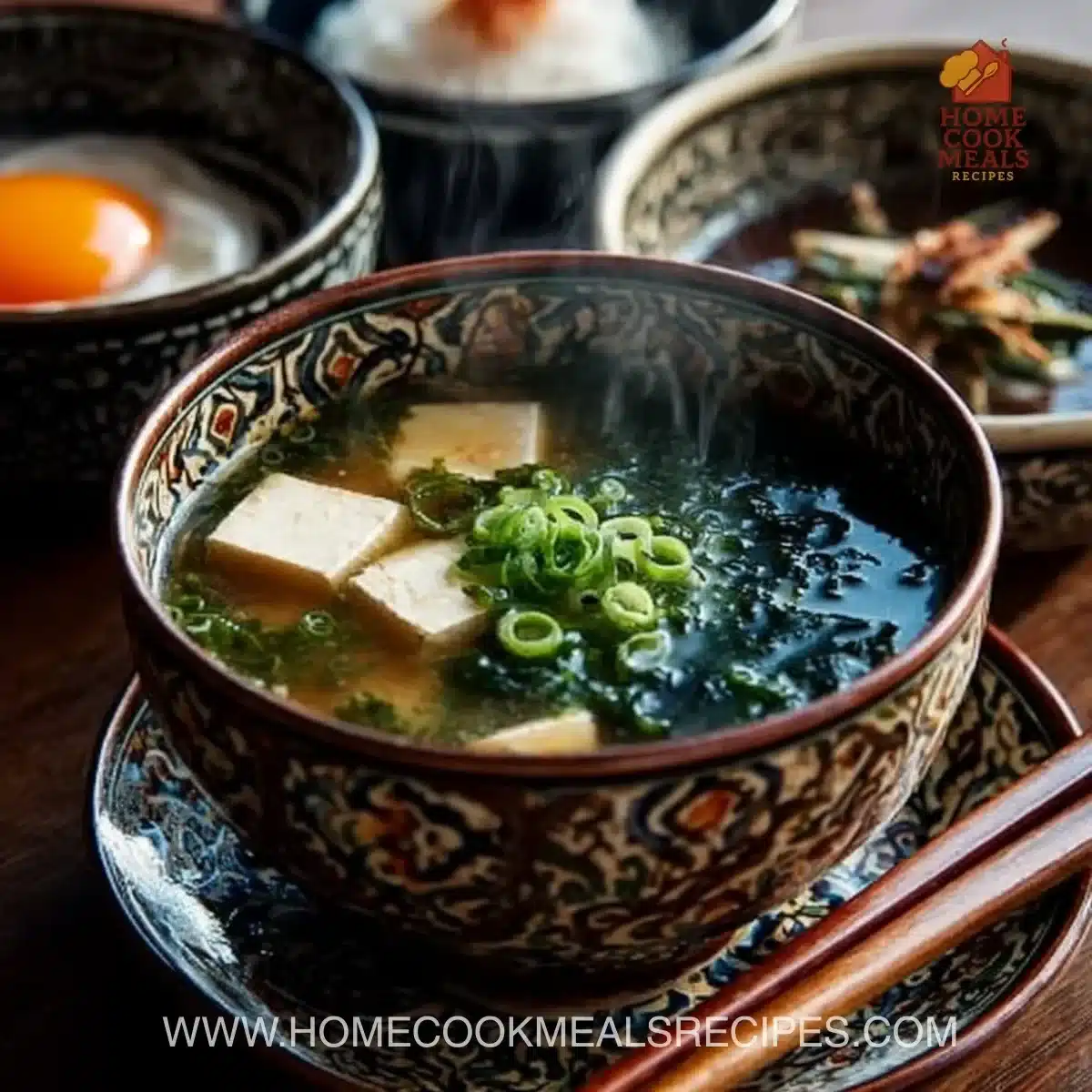
I remember the way the kitchen smelled the first time I made six different morning soups to feed a sleepy family. The water hissed, the dashi warmed the air with something gentle and savory, and tiny bowls lined the table while someone poured hot tea. You feel both ahead of the day and rooted to the small ritual of feeding people you love. This is what 6 Easy Japanese Breakfast Soup Recipes Today does in my house: it turns a rushed morning into a calm ritual without fuss.
Why You’ll Love This 6 Easy Japanese Breakfast Soup Recipes Today
I keep coming back to these bowls because they are forgiving, fast, and comforting. They need very little hands-on time and almost no special gear. Mornings can be messy and short, and these soups fit right into that rhythm. They give you warm broth, familiar textures, and the sort of quiet comfort that helps a day start well. Meanwhile, they clear the table of the usual scramble for different tastes by offering simple choices everyone can tweak to their liking. 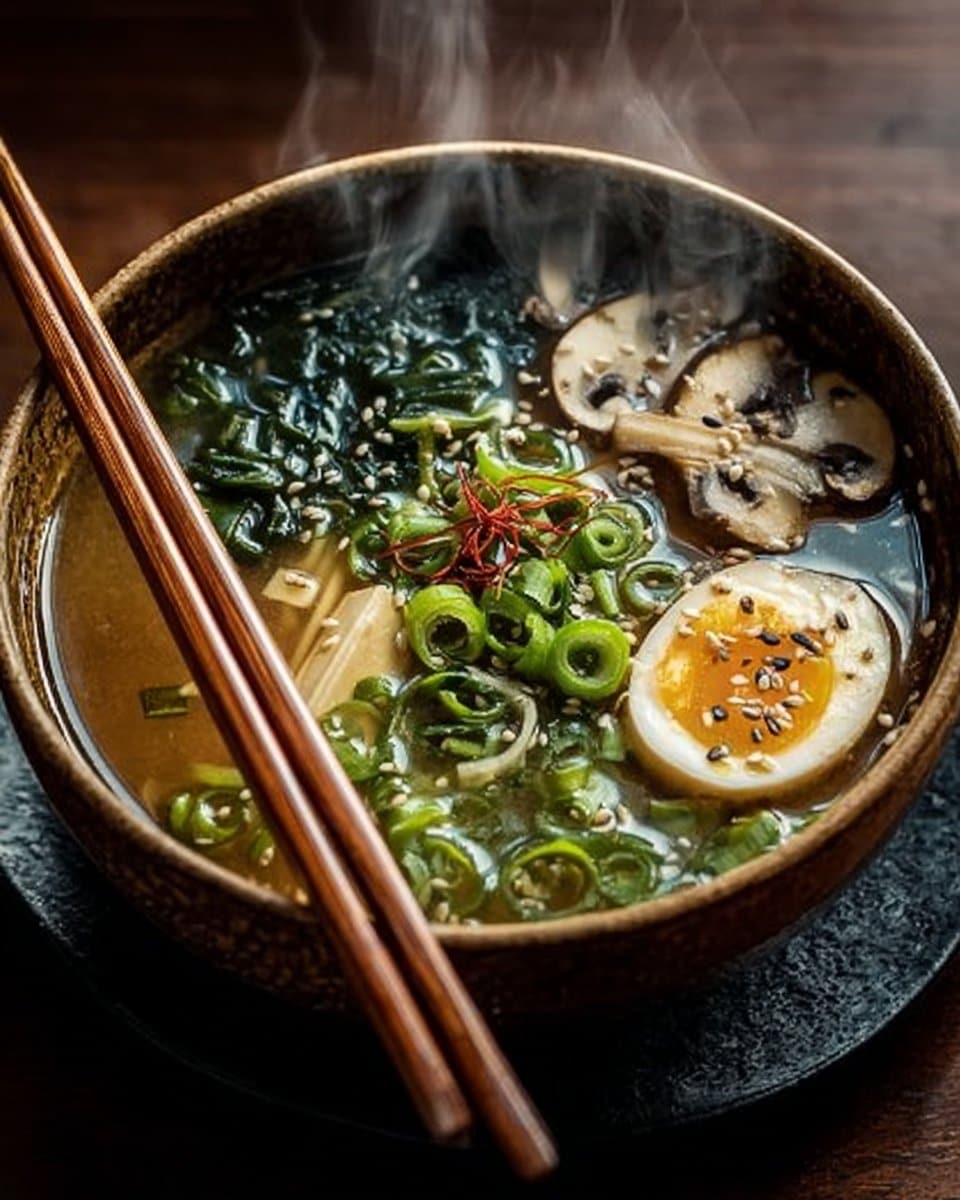
If you like easy weeknight wins, these soups deserve a spot next to your other quick meals. They pair well with basic sides I often make when life is busy, like the recipes over on this page about quick dinners for busy nights: 10 easy weeknight recipes. That link is the sort of toolbox I turn to when I need to keep dinner and breakfast straightforward and warm.
How I Make 6 Easy Japanese Breakfast Soup Recipes Today Without Overthinking It
“When it smells this good halfway through, you know dinner’s already on your side.”
I start with one good stock and build from there. Make a light dashi, and you have the base for five of the six soups. From there you add miso, whisk in eggs, or drop in pre-cooked rice. The visual cues matter more than exact weights: when the dashi is steaming but not roaring, it is time to add softer ingredients. Once the miso dissolves, taste for balance. When an egg clouds the broth, it is done.
I like to keep a small basket of the usual toppings on the counter. Scallions, sesame oil, nori flakes, and soft tofu let each bowl find its voice with almost no extra work. By the time it’s done, you have six small bowls or pick-a-bowl options for the family, each with a warm, focused flavor that feels like a hug.
What Goes Into 6 Easy Japanese Breakfast Soup Recipes Today
Simple Ingredients That Make 6 Easy Japanese Breakfast Soup Recipes Today Work
- Kombu (dried kelp), small piece for dashi
- Bonito flakes (katsuobushi) or instant dashi granules
- Water, 6 to 8 cups depending on batch size
- White miso paste, 3 to 4 tablespoons
- Red miso paste, optional, 1 tablespoon
- Soft (silken) tofu, 1 small block
- Firm tofu, half block
- Wakame, dried, 1 tablespoon
- Scallions, thinly sliced, 3 to 4
- Eggs, 3 to 4
- Cooked white rice, 2 cups (for okayu or zosui)
- Ground pork or chicken, 8 ounces (for quick tonjiru-style soup)
- Thinly sliced carrots, 1 medium
- Daikon, thin half-moon slices, 1 cup
- Potato, small, cubed, 1
- Soy sauce, 1 to 2 teaspoons
- Mirin, 1 tablespoon
- Sesame oil, 1 teaspoon
- Mushrooms, shiitake or enoki, 1 cup
- Spinach or komatsuna, handful
- Pickled plums or furikake for garnish
- Cooked beef or pork leftover, small handful for topping
- Ground beef or leftover savory meat for a heartier morning bowl
- Salt and pepper to taste
Notes: Use what you have. You do not need every item. The kombu and bonito or instant dashi carry most of the flavor. If you keep cooked rice in the fridge, you can move from zero to warm bowls in ten minutes.
Also, if you want more quick breakfast ideas and ways to pair these bowls with other simple plates, check out this roundup of easy breakfast recipes: breakfast recipes.
Step by Step Directions
Walking Through 6 Easy Japanese Breakfast Soup Recipes Today Step by Step
-
Make a simple dashi base.
- In a medium pot add 6 cups water and a 4-inch piece of kombu. Bring to just under a simmer over medium heat. Remove kombu before it boils. Add a handful of bonito flakes, let them sink for 30 seconds off heat, then strain. For a shortcut use 4 cups water and 2 teaspoons instant dashi granules. Stir until dissolved.
-
Miso soup with tofu and wakame.
- Return 3 cups of dashi to the pot and warm gently. Add a tablespoon of dried wakame and let it rehydrate. Scoop 2 tablespoons white miso into a small bowl, add a ladle of hot dashi, whisk until smooth, then stir back into the pot. Add small cubes of silken tofu and heat through without boiling. Garnish with scallions and serve.
-
Tamago-style egg soup (light egg drop).
- Use 2 cups dashi. Bring to a gentle simmer, season with 1 teaspoon soy sauce and 1/2 teaspoon mirin. Beat one egg lightly. Slowly drizzle the egg into the simmering broth, stirring in one direction to create ribboned strands. Turn off heat, taste, and top with chopped scallions.
-
Okayu (rice porridge) or quick zosui.
- Combine 2 cups cooked rice with 4 cups dashi in a pot. Bring to a gentle simmer and stir until the rice softens and the broth thickens slightly, about 10 minutes. Season with soy sauce to taste. Stir in a beaten egg at the end for richness, and add a spoonful of miso if you like deeper flavor.
-
Simple tonjiru-inspired breakfast soup.
- In 3 cups dashi, sauté a little sesame oil, add thin slices of carrot, daikon, and cubed potato with 4 ounces ground pork. Cook until the meat is mostly done, then simmer until vegetables soften. Season with 1 tablespoon miso and 1 teaspoon soy sauce. Keep this version light for morning appetite.
-
Clear mushroom and spinach soup.
- In 2 cups dashi, add sliced shiitake or enoki and a splash of soy sauce. Simmer until mushrooms are tender, add a big handful of spinach until wilted, finish with a drop of sesame oil and a few nori strips.
-
Quick hearty bowl with leftover meats.
- Warm any leftover cooked beef or ground meat in a cup of dashi with soy sauce and mirin. Pour over a small bowl of hot rice, top with a soft-boiled or marinated egg, and sprinkle furikake. This is the kind of bowl that eats like a hug.
-
Final seasoning and serving cues.
- Taste each soup before serving. If it feels thin, add a small spoon of miso or a splash of soy sauce. If too salty, add a little hot water and a squeeze of mirin. Let soups rest for a minute to settle the flavors and the temperature.
Serving 6 Easy Japanese Breakfast Soup Recipes Today at the Table
How We Enjoy 6 Easy Japanese Breakfast Soup Recipes Today at Home
Serve bowls family style. Put small plates of pickles, nori, and a bowl of rice in the middle. Let everyone top their own soup with scallions, sesame oil, or a little furikake. For a casual morning we sit with mismatched bowls and small teaspoons, and it somehow makes the meal feel kinder. 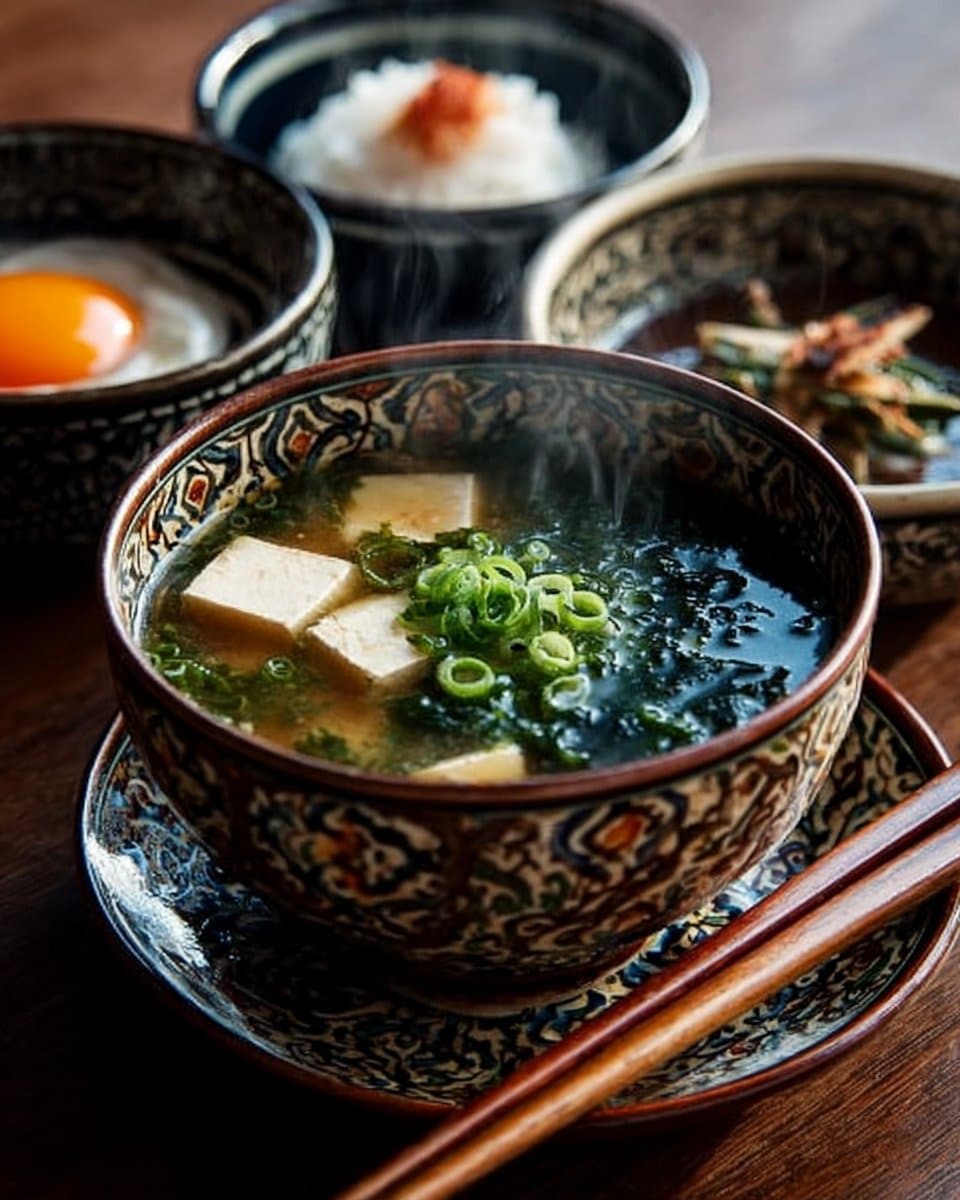
For a heartier morning, pair a clear soup with a small pan of grilled fish or a simple omelette. If you want a weekend twist, add a little ground meat that has been quickly seasoned and warmed in the broth. I often set out a tray of sides I can reheat or throw together while the soups warm: steamed rice, tamagoyaki-style eggs, and lightly dressed greens. If you want a savory baked breakfast on the side, this casserole fits well with a soup course: easy sausage and egg casserole.
Saving 6 Easy Japanese Breakfast Soup Recipes Today for Tomorrow
Storage and Reheating Without Losing Flavor
Cool soups to room temperature within two hours and refrigerate in airtight containers. Most miso-based soups keep well for 3 to 4 days. Clear dashi with vegetables is fine for 2 to 3 days. If you add tofu, use within 2 days for the best texture.
To freeze, put broth without rice in freezer-safe containers for up to 3 months. Rice expands and changes texture when frozen and thawed, so I avoid freezing soups with rice. When reheating, warm gently on medium-low and avoid rapid boiling. If the miso flavor dulls in the fridge, dissolve a teaspoon of fresh miso in a little warm dashi and stir it in just before serving.
For leftovers that need a quick makeover, stir in a beaten egg toward the end of reheating to freshen the bowl and add richness. If you want to plan a freezer-friendly batch of breakfast components, check out other simple dinner and prep ideas that pair with these soups, such as fast air fryer sides: easy air fryer meals.
Notes From My Kitchen
What I’ve Learned After Making This a Few Times
- Make one big pot of dashi at the start of the week. Keep it in the fridge and use it for multiple mornings. It saves time and keeps flavors consistent.
- Don’t overboil miso. Heat until warm and stir in miso off the heat. That preserves the delicate flavors and good bacteria.
- Use leftovers with intention. A small amount of cooked meat or roasted vegetables can transform a light soup into a filling breakfast without extra shopping.
- Keep a tiny box of toppings near your station. Sesame seeds, scallions, shoyu, and furikake let each bowl feel special.
- When short on time, use instant dashi. It is not cheating. It is practical cooking.
If you like planning flavors for a week and mixing small sides, I find this list of make-ahead sides helpful: easy sides to prep.
Family Twists on 6 Easy Japanese Breakfast Soup Recipes Today
Easy Ways to Change It Up
- Make it heartier: add a scoop of leftover cooked grains and a spoonful of cooked protein.
- Kid-friendly: remove strong seasonings and keep the broth simple, add soft tofu and small rice balls.
- Vegetarian: skip the bonito or use vegetarian dashi, load up on mushrooms and wakame for umami.
- Spicy lift: a drop of chili oil or rayu just before serving wakes up the whole bowl.
- Swap proteins: substitute ground chicken for pork or add flaked salmon for a richer flavor.
These twists let you use what is in your fridge without losing the morning calm.
FAQs About 6 Easy Japanese Breakfast Soup Recipes Today
Questions I Get About This Recipe
Q: Can I make these soups ahead of time?
A: Yes. The flavors often settle nicely overnight. Keep miso soup and clear broths in the fridge and reheat gently. Add fresh toppings after reheating.
Q: Can I use instant dashi instead of making it from scratch?
A: Absolutely. Instant dashi is a great shortcut that saves time and still gives you good flavor when life is busy.
Q: How do I keep tofu from breaking apart?
A: Handle silken tofu with a spoon and add it at the very end of heating, warming gently rather than boiling.
Q: Are these soups good for kids?
A: They are gentle and easily adjusted. Keep salt low, omit strong condiments, and add soft rice or egg to make bowls familiar.
Q: Can I freeze these soups?
A: Freeze broths without rice or soft tofu. Freeze for up to three months and thaw in the fridge before gently reheating.
A Final Bite
One Last Thought From My Kitchen
I make these soups when the house is quiet and when the house is loud. They are the kind of simple, flexible food that meets regardless of the chaos of the day. They teach you that a good breakfast does not need perfection, just warmth, balance, and a few reliable ingredients. Keep them simple, keep them kind, and you will find mornings that feel less rushed and more rooted.
Conclusion
If you want a quick place to start for Japanese breakfast basics, this guide to Easy Japanese Breakfast – Tamagoyaki & 5 Minute Miso Soup has straightforward ideas for eggs and simple miso. For a heartier, slightly different take that uses ground meat and a runny egg, consider this recipe called DEVIL’s BOWL: Addictive Ground Beef & Marinated Runny Egg Rice. If you want a wider range of Japanese soups to try at home, this collection of 20 Easy Japanese Soup Recipes to Try at Home is full of inspiration. For a filling one-pot rice and meat idea that can pair with light bowls, see High Protein Ground Beef & Root Vegetable One-Pot Rice. And if you crave variety beyond miso, this piece on 13 Japanese Soup Recipes Beyond Miso gives great options to explore.
Thank you for staying in the kitchen with me. These bowls are small acts of care that add up to better mornings and easier days.
Print
6 Easy Japanese Breakfast Soup Recipes
- Total Time: 45 minutes
- Yield: 4 servings
- Diet: Vegetarian
Description
A collection of six comforting Japanese breakfast soups that bring warmth and simplicity to your morning routine.
Ingredients
- Kombu (dried kelp), small piece for dashi
- Bonito flakes (katsuobushi) or instant dashi granules
- Water, 6 to 8 cups depending on batch size
- White miso paste, 3 to 4 tablespoons
- Red miso paste, optional, 1 tablespoon
- Soft (silken) tofu, 1 small block
- Firm tofu, half block
- Wakame, dried, 1 tablespoon
- Scallions, thinly sliced, 3 to 4
- Eggs, 3 to 4
- Cooked white rice, 2 cups (for okayu or zosui)
- Ground pork or chicken, 8 ounces (for quick tonjiru-style soup)
- Thinly sliced carrots, 1 medium
- Daikon, thin half-moon slices, 1 cup
- Potato, small, cubed, 1
- Soy sauce, 1 to 2 teaspoons
- Mirin, 1 tablespoon
- Sesame oil, 1 teaspoon
- Mushrooms, shiitake or enoki, 1 cup
- Spinach or komatsuna, handful
- Pickled plums or furikake for garnish
- Cooked beef or pork leftover, small handful for topping
- Ground beef or leftover savory meat for a heartier morning bowl
- Salt and pepper to taste
Instructions
- Make a simple dashi base by simmering water with kombu and bonito flakes or instant dashi granules, then strain.
- For miso soup with tofu and wakame, heat dashi, rehydrate wakame, stir in miso, and add tofu.
- For tamago-style egg soup, slowly drizzle beaten egg into simmering dashi shaped into ribbons.
- For okayu, combine cooked rice with dashi, simmer, season with soy sauce, and stir in an egg if desired.
- For tonjiru-inspired soup, sauté vegetables and meat in dashi, simmer until soft, and add miso and soy sauce.
- For clear mushroom and spinach soup, add mushrooms to dashi, simmer, and cook spinach until wilted.
- For a hearty bowl, warm leftover cooked meat in dashi, pour over rice, and top with an egg and furikake.
- Taste each soup before serving, and adjust seasoning as necessary. Serve bowls family-style with toppings.
Notes
Use what you have; the kombu and bonito provide most flavor. If you have cooked rice, you can prepare warm bowls in around ten minutes. Store leftovers properly; soups can keep for days in the fridge.
- Prep Time: 15 minutes
- Cook Time: 30 minutes
- Category: Breakfast
- Method: Boiling
- Cuisine: Japanese
Nutrition
- Serving Size: 1 serving
- Calories: 300
- Sugar: 2g
- Sodium: 600mg
- Fat: 15g
- Saturated Fat: 5g
- Unsaturated Fat: 7g
- Trans Fat: 0g
- Carbohydrates: 30g
- Fiber: 4g
- Protein: 12g
- Cholesterol: 70mg