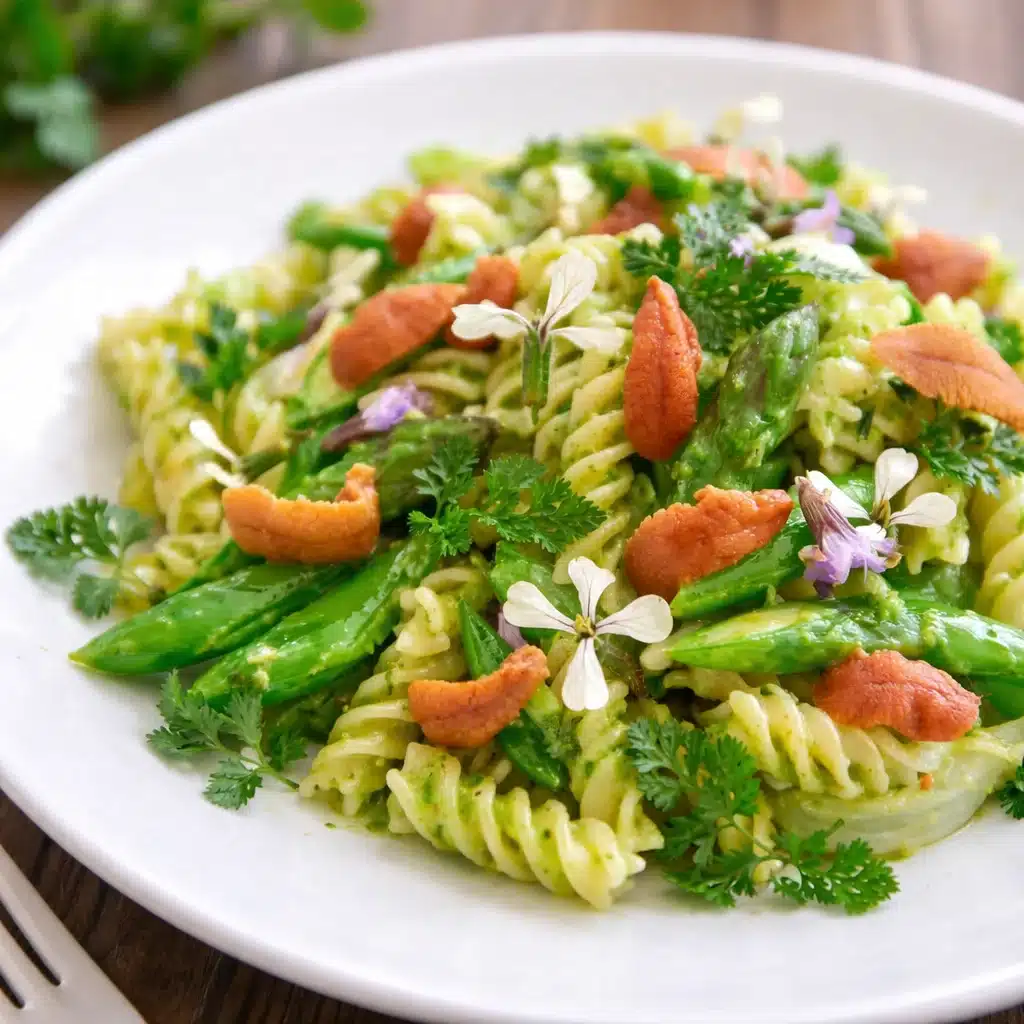
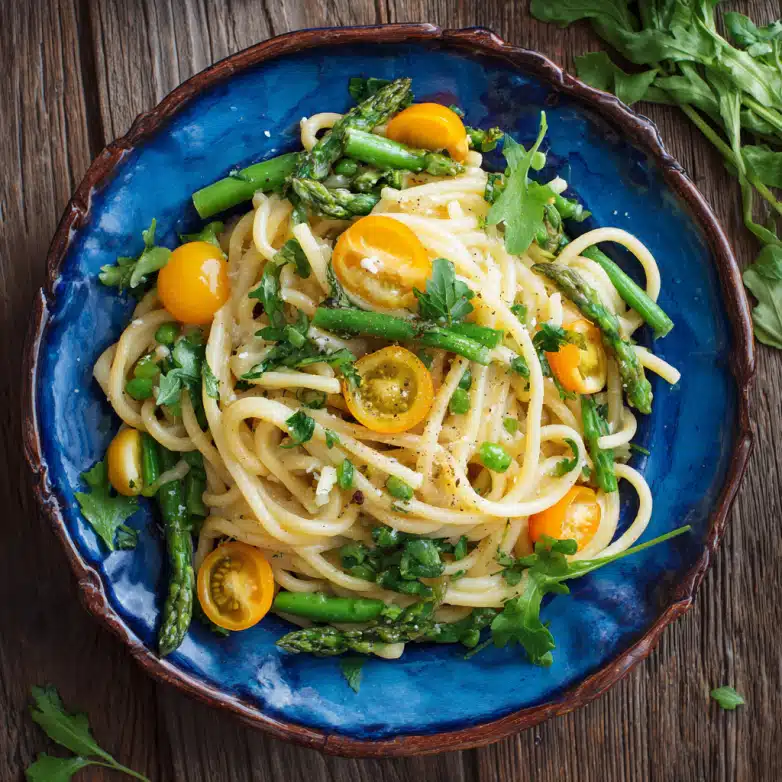
spring pasta is the thing I crave the minute the weather starts warming up, but I always hit the same problem: I want something fresh and bright, not heavy, and I do not want to stand over the stove forever. On busy weeknights, I used to default to jarred sauce, then wonder why dinner felt kind of blah. This is the recipe I make when I want my table to feel like spring without a ton of effort. It is light, colorful, and it tastes like you actually planned ahead (even if you did not). If you have a handful of veggies and a box of pasta, you are already halfway there.
Spring Pasta Recipes
This is my go to bowl when I want a big pop of flavor with minimal fuss. It is a fresh and flavorful spring pasta that leans on quick cooking veggies, lemon, and a little cheese to make everything feel cozy but still light. I have made this for friends on a random Tuesday and for family lunches when everyone is hovering around the kitchen, hungry. It always disappears fast.
My favorite fresh and flavorful spring pasta (lemony peas, asparagus, and herbs)
Serves: 3 to 4 people
Time: about 25 minutes
What you will need
- 12 ounces pasta (spaghetti, linguine, or short pasta like penne)
- 1 bunch asparagus, trimmed and cut into bite size pieces
- 1 cup peas (frozen is totally fine)
- 3 to 4 tablespoons olive oil
- 3 cloves garlic, sliced or minced
- Zest and juice of 1 lemon (add more if you love it)
- 1 generous handful fresh herbs (basil, parsley, or dill, or mix them)
- 1 third cup grated parmesan (plus more for the table)
- Salt and black pepper
- Optional: a pinch of red pepper flakes, or a spoon of ricotta for extra creaminess
How I make it
- Bring a big pot of water to a boil and salt it well. Cook the pasta until it is just tender.
- In the last 2 to 3 minutes of pasta cooking time, toss in the asparagus. In the last 1 minute, add the peas. This keeps the veggies bright and not mushy.
- Before draining, scoop out about 1 cup of the pasta water. Drain everything.
- While the pasta cooks, warm the olive oil in a big pan over medium heat. Add garlic and cook just until it smells amazing, about 30 to 60 seconds. Do not let it brown too much.
- Add the drained pasta and veggies into the pan. Add lemon zest and lemon juice, parmesan, herbs, and a splash of pasta water. Toss, toss, toss until it looks glossy and lightly saucy.
- Taste and adjust. More salt, more pepper, more lemon, more cheese. You are the boss.
My personal note: The first time I made this, I overdid the lemon and thought I ruined it. Then I added more parmesan and a splash of pasta water and suddenly it tasted balanced and kind of addictive. So if it feels too sharp, do not panic. Cheese and pasta water smooth it out.
Seasonal Ingredients for Pasta Dishes
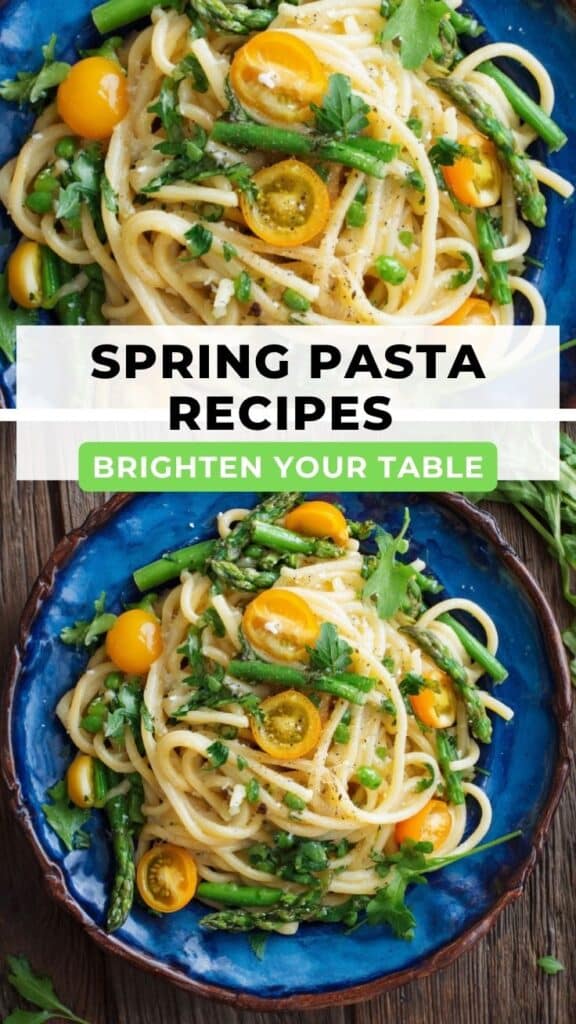
When people ask me what makes spring pasta taste like spring, it is really the ingredients. You do not need fancy stuff. You just need a few things that are naturally sweet, tender, and bright this time of year.
Here are my favorites for seasonal pasta bowls:
Asparagus is the obvious one. It cooks fast, and it stays a little crisp if you do not overdo it.
Peas add sweetness, and frozen peas honestly work great because they are picked and frozen quickly.
Spring onions or scallions are gentler than regular onions and give you a fresh bite.
Spinach or arugula wilts in seconds and makes the whole bowl feel greener.
Radishes sound weird in pasta, but thin slices on top are peppery and crunchy.
Fresh herbs are not optional for me. Basil, parsley, dill, mint, or a mix makes everything taste alive.
If you are shopping and it all looks good, here is a simple rule: pick two veggies, one herb, and one bright thing like lemon. That combination gets you really close to a fresh and flavorful spring pasta without overthinking it.
Tips for Cooking Perfect Pasta
I am not a professional chef, but I have made enough pasta mistakes to have opinions. The good news is you can fix most of them with a couple easy habits.
Salt the water like you mean it. If your pasta tastes flat, it is usually because the water was not salty enough. It should taste pleasantly salty, not like the ocean, but close.
Save pasta water. I know everyone says this, but it is the secret to making a light sauce that clings. A few splashes can turn oil, lemon, and cheese into something silky.
Do not overcook the veggies. For spring pasta recipes, you want bright color and a little snap. Add asparagus and peas right near the end, like I do in the recipe above.
Toss in the pan, not in the colander. Mixing everything in the warm pan helps flavors stick to the noodles instead of sliding off.
“I tried your lemon asparagus pasta last weekend and it tasted like something I would order at a cafe. The tips about saving pasta water and adding veggies at the end made a huge difference.”
Flavor Pairings for Spring Pasta
If you have ever made pasta and thought, it is fine but it is missing something, it is usually a pairing problem. Spring flavors are lighter, so you want a few strong accents that wake everything up.
Here are pairings I lean on all the time:
Lemon plus parmesan is the classic. Bright plus savory equals instant comfort.
Peas plus mint tastes super fresh and a little unexpected in a good way.
Asparagus plus garlic is simple, but it hits every time.
Herbs plus olive oil makes the pasta taste clean and fragrant, especially if you add herbs at the end.
Ricotta plus lemon zest turns it creamy without feeling heavy.
Red pepper flakes add just enough heat to keep things interesting.
If you want protein, keep it easy and let the veggies stay in the spotlight. Grilled chicken, shrimp, or crispy chickpeas all work. I also love tossing in a can of white beans because it feels like pantry magic.
And yes, this whole vibe is exactly why I keep making fresh and flavorful spring pasta when the weather flips. The flavors do not fight each other, they just taste clean and happy.
Nutritional Benefits of Spring Vegetables
I am not here to turn dinner into a lecture, but I do like knowing my bowl is doing something good for me. Spring veggies are not just pretty, they bring real benefits without you having to try very hard.
Asparagus is a good source of fiber and it brings vitamins like K and folate. It also makes the plate feel hearty even though it is light.
Peas have fiber and plant protein, which is helpful if you want the pasta to actually keep you full.
Leafy greens like spinach and arugula add vitamins and a fresh bite. Plus they are so easy, you can throw in a couple handfuls at the end.
Fresh herbs may look like a garnish, but they add antioxidants and a lot of flavor without extra salt.
If you are trying to balance your plate, here is my simple method: make the pasta, then make sure there is a generous amount of veggies mixed in. This is one of those spring pasta recipes where you can keep adding greens and it still tastes great.
Also, if you are cooking for someone who is not a veggie lover, this is a gentle way to win them over. Everything is coated in lemony, cheesy goodness, so the vegetables feel like part of the comfort, not a chore.
Common Questions
Can I use frozen vegetables for this?
Yes. Frozen peas are perfect. For other veggies, frozen spinach works, just squeeze out extra water so it does not water down the sauce.
How do I keep the pasta from drying out?
Save pasta water and add it little by little while tossing. A small splash of olive oil at the end also helps.
What pasta shape is best?
Long noodles like linguine feel fancy, but short pasta is easier for kids and great for leftovers. Use what you have.
Can I make it ahead for meal prep?
You can, but it tastes brightest the first day. If you do prep it, store extra lemon and herbs separately and add them after reheating.
What if I do not have parmesan?
Try pecorino, grated cheddar in a pinch, or add a spoon of ricotta for creaminess and a bit more salt to balance.
A bright bowl to welcome spring
If you want dinner to feel lighter and more cheerful, this fresh and flavorful spring pasta is such an easy win. Use the veggies that look best, keep the lemon and herbs in the mix, and do not forget that little cup of pasta water. Once you make it once, you will start riffing on it without even thinking. Put it on the table, add extra cheese, and let it taste like the season finally showed up.
Print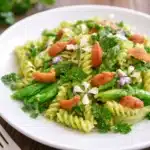
Spring Pasta with Lemony Peas and Asparagus
- Total Time: 25 minutes
- Yield: 4 servings 1x
- Diet: Vegetarian
Description
A bright and flavorful spring pasta dish featuring lemony peas, asparagus, and fresh herbs, perfect for busy weeknights.
Ingredients
- 12 ounces pasta (spaghetti, linguine, or penne)
- 1 bunch asparagus, trimmed and cut into bite-size pieces
- 1 cup peas (frozen is fine)
- 3 to 4 tablespoons olive oil
- 3 cloves garlic, sliced or minced
- Zest and juice of 1 lemon
- 1 generous handful fresh herbs (basil, parsley, or dill)
- 1/3 cup grated parmesan (plus more for serving)
- Salt and black pepper to taste
- Optional: a pinch of red pepper flakes or a spoon of ricotta
Instructions
- Bring a large pot of salted water to a boil and cook the pasta until just tender.
- In the last 2-3 minutes of cooking, add the asparagus. In the last minute, add the peas.
- Before draining, reserve about 1 cup of pasta cooking water, then drain the pasta and vegetables.
- In a large pan, warm the olive oil over medium heat. Add garlic and sauté until fragrant, about 30-60 seconds.
- Add the drained pasta and veggies to the pan. Stir in lemon zest, lemon juice, parmesan, herbs, and a splash of reserved pasta water. Toss until combined and glossy.
- Taste and adjust seasoning with salt, pepper, and lemon as needed.
Notes
If the dish feels too sharp due to lemon, add more parmesan and a splash of pasta water for balance.
- Prep Time: 10 minutes
- Cook Time: 15 minutes
- Category: Main Course
- Method: Boiling and Sautéing
- Cuisine: Italian
Nutrition
- Serving Size: 1 serving
- Calories: 350
- Sugar: 5g
- Sodium: 400mg
- Fat: 12g
- Saturated Fat: 4g
- Unsaturated Fat: 6g
- Trans Fat: 0g
- Carbohydrates: 45g
- Fiber: 3g
- Protein: 15g
- Cholesterol: 30mg