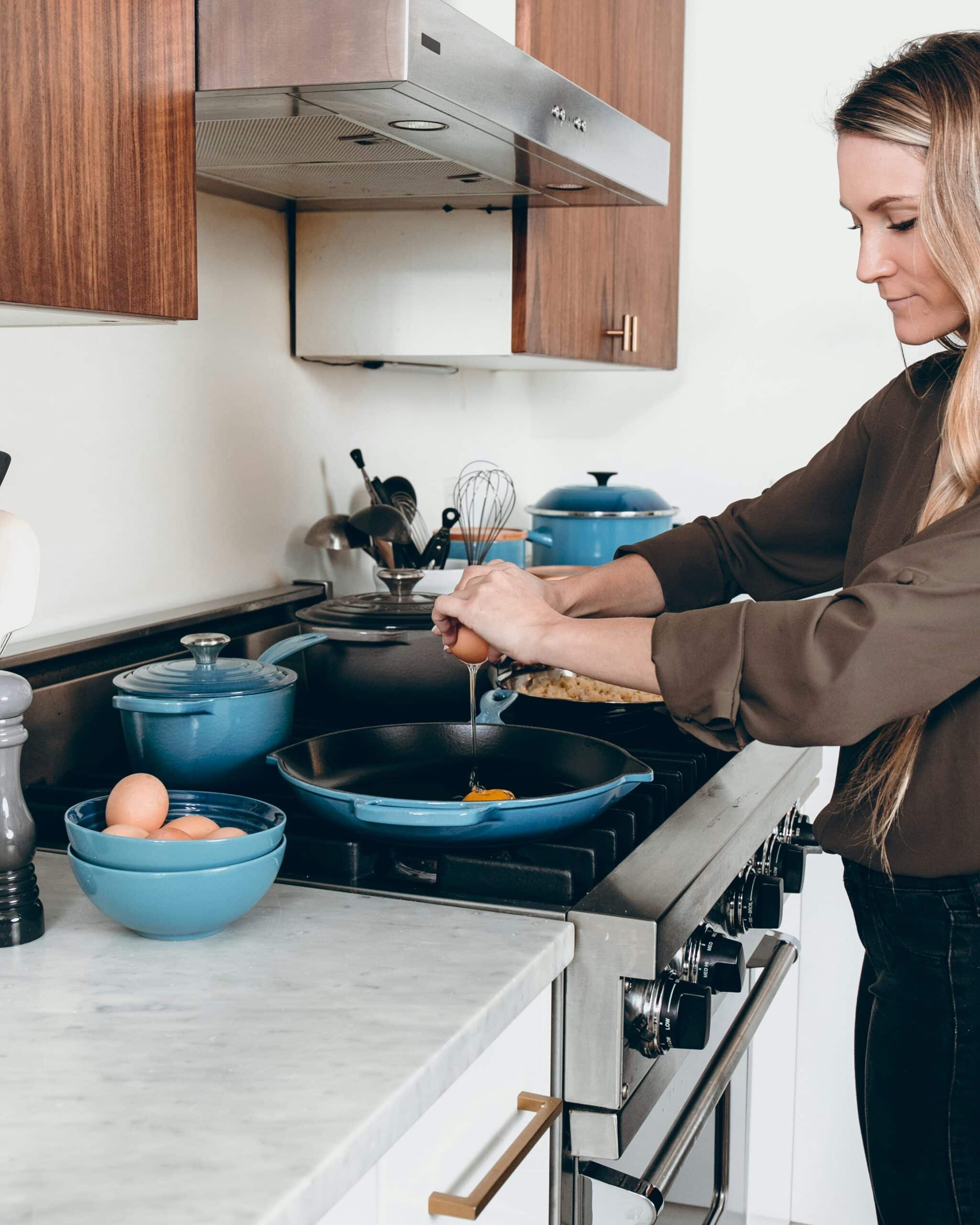
Earth Day always sneaks up on me right when my kitchen windows finally want to stay open. I used to think you had to do something huge to matter, but honestly, most of my best changes started with one small habit at home. If you cook even a few times a week, you have a ton of chances to cut waste, save energy, and eat a little more thoughtfully. Today I want to share a simple, cozy little “Earth Day recipe” I make every spring, plus a bunch of real life ways to make a big impact without turning your life upside down. This is the kind of feel good day where a bowl of something warm and a few better choices can actually go together. 
The Origins of Earth Day
Earth Day began because regular people got tired of seeing dirty air, polluted water, and communities treated like dumping grounds. Back in the late 1960s, environmental issues were not talked about the way they are now. The first Earth Day was organized in the United States in 1970, and it was meant to be loud in a peaceful way, like “hey, we all live here, can we take care of it?”
I like knowing the story because it makes the day feel more personal. It is not just a date on a calendar. It is a reminder that everyday people can push big change, and that includes us home cooks too. When I make my little Earth Day “pantry soup” each year, it is my small tradition to use what I already have and waste less, because that is kind of the spirit of it.
This is also why I keep my Earth Day plans super doable. If the whole thing feels too big, you will quit. If it feels like something you can actually do while you wait for onions to soften, you will stick with it.
Major Milestones and Events from 1970 to Present
Earth Day started in 1970, but it did not stay a one day thing. Over time it became global, and it helped normal folks learn the language of environmental health, climate, and conservation. It also became a moment for schools, communities, and even workplaces to do events like cleanups and tree planting.
Here is the short version of why it matters, in plain language:
- 1970: The first Earth Day is held in the US, with millions of people participating.
- 1990: Earth Day goes more global and involvement grows massively worldwide.
- 2000s: Big focus on climate change awareness and renewable energy conversations.
- 2010s to now: More attention on plastic waste, environmental justice, and local action.
While we are talking “milestones,” can I just say my kitchen had its own mini timeline too? I used to buy single use everything because it was convenient. Now I keep a couple washable cloths, a stash of jars, and I cook more from what I already have. It feels small, but it adds up in a very real way across a year.
And since holidays always tempt me into extra packaging, I try to balance it out with simpler treats. If you are in a festive mood but want something easy, I love browsing ideas like these holiday cookie recipes and then choosing one that uses pantry basics so I am not buying a bunch of random one time ingredients.
The Impact of Earth Day on Environmental Legislation
This is the part that makes me grateful Earth Day exists at all. The early Earth Day movement helped push environmental issues into the mainstream, which then helped support real policy changes. In the US, the 1970s saw major environmental laws and the creation of institutions focused on protecting air, water, and public health. Not everything is perfect, obviously, but Earth Day helped prove that public pressure works.
When people ask “does a day like this really matter?” I think about how awareness leads to voting, spending choices, and community action. And in food terms, your grocery cart is basically a tiny vote. Buying a little more seasonal produce, wasting less, and cooking at home more often can reduce the demand for over packaged convenience foods.
Also, let us talk about celebrations because birthdays and parties can create a mountain of trash fast. When I host, I try to keep it cute but simpler, like a homemade cake and fewer plastic decorations. I bookmarked this birthday cake for women when I needed something pretty but still doable at home, and I served it with real plates so cleanup was not a pile of disposables.
“I started doing one Earth Day habit each month, and the easiest win was in the kitchen. Using leftovers and bringing my own bags made a bigger difference than I expected.”
Engaging in Earth Day: How to Participate
Okay, here is where we get practical, because you and I both know good intentions do not cook dinner. This is my favorite part: simple Earth Day actions that fit into real life, plus the little recipe I make when I want to feel like I am celebrating without buying more stuff.
My Earth Day go to recipe: “Use What You Have” Spring Pantry Soup
This is not fancy, and that is the point. It is warm, forgiving, and it turns random odds and ends into something you actually want to eat. I call it my Earth Day soup because it helps me use what is already in the fridge and freezer.
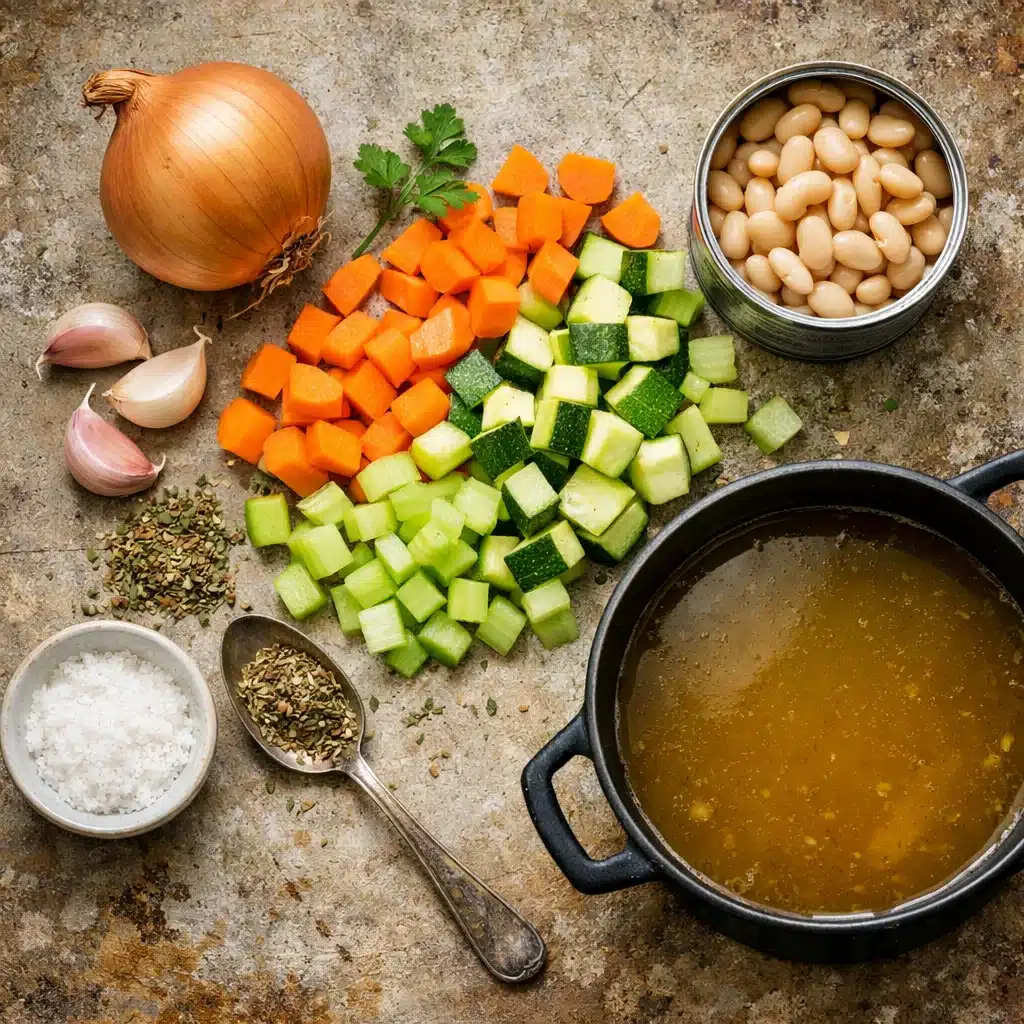
What you will need (use this like a guide, not a strict list):
- 1 onion or a few green onions
- 2 to 4 cloves garlic (or garlic powder if that is what you have)
- 1 big handful of chopped veggies (carrots, celery, zucchini, spinach, frozen mixed veg, anything)
- 1 can of beans or lentils, drained (or leftover cooked beans)
- 4 cups broth or water plus a bouillon cube
- 1 spoon of tomato paste or a can of diced tomatoes (optional)
- Salt, pepper, and any dried herbs you like
- A squeeze of lemon or splash of vinegar at the end
How I make it:
I start with a pot and a little oil, then cook the onion until it smells sweet. Add garlic, stir for a minute, then toss in whatever veggies need the most time. Pour in broth, add beans, and let it simmer until everything tastes like it belongs together. At the end I add lemon or vinegar, which makes it taste brighter and less “leftover-ish.”
This is where Earth Day gets real for me. If I can turn leftovers into a meal I genuinely enjoy, I waste less, buy less, and still eat well. That is a big impact from a very normal dinner.
Simple Earth Day habits that actually stick
Here are my favorite easy wins. Pick two, not ten. Two is how you build momentum.
In the kitchen:
Plan one “clean out the fridge” meal a week. Soup, fried rice, pasta, or sheet pan veggies all work. Keep a container for scraps you can use, like onion ends for stock. Store greens with a paper towel so they last longer. And please, label leftovers. Mysterious containers are how food goes to waste.
At the store:
Bring bags, yes, but also bring a short list. Shopping without a list is where the weird extra items happen, and then they expire. If you want a fun drink for a get together, I like making one batch at home instead of buying a bunch of individual bottles. This holiday lemon drop cocktail is a good example of something you can mix yourself, then serve in real glasses.
When you host:
Go for big platters and fewer individually wrapped snacks. If you do appetizers, make something you can bake at home. I have done holiday pigs in a blanket on a sheet pan, and it is always a hit. Less packaging, less trash, still very snackable.
One more thing I try to do on Earth Day is talk about it with my family in a normal way. Not scary, not preachy, just honest. “Let us waste less.” “Let us walk if we can.” “Let us cook what we have.” The small stuff is how it becomes routine.
The Future of Earth Day: Challenges and Opportunities
The future of Earth Day is going to be shaped by two things at the same time: big system level changes and small daily choices. The challenges are real, like climate change, resource use, and plastic waste. But the opportunities are real too, like cleaner energy, smarter farming, and communities that care enough to show up.
I also think the future looks a lot like learning to do more with less, especially with food. Not in a boring way, but in a “I can make something delicious from what I have” way. That is why I keep my Earth Day traditions simple, like making pantry soup, baking something from scratch, and using up what is already here.
And if you want a sweet treat that does not require buying ten new ingredients, I am obsessed with easy bar desserts. I have made versions inspired by lazy day chocolate chip cookie bars because they are basically stir, bake, share, done. That kind of recipe supports the whole “less stress, less waste” vibe I want on Earth Day.
Common Questions
1) What is one simple thing I can do on Earth Day if I am busy?
Cook one meal from what you already have. A soup, a pasta, or a stir fry counts. It is quick and it cuts food waste.
2) Do small changes really matter, or is it just symbolic?
Small changes matter because they add up across weeks and years. Plus, they influence the people around you, which spreads the impact.
3) How can I reduce waste without spending money on fancy containers?
Reuse jars, save takeout containers you already have, and store leftovers in bowls with plates on top if you need to. Use what is in your kitchen first.
4) What is the easiest eco friendly swap in the kitchen?
Switch from paper towels to a couple washable cloths for most messes. You can still keep paper towels for gross jobs, but you will use way fewer.
5) How do I celebrate Earth Day with kids or roommates?
Make it a food day. Pick a recipe, cook together, and do a quick “use it up” challenge in the fridge. Then take a short walk and pick up litter if you can.
A cozy Earth Day wrap up from my kitchen
Earth Day does not have to be perfect to be meaningful, and that is honestly the best news. Learn the basics, pick one or two habits, and make something comforting like my pantry soup so the day feels real, not performative. If you want to dig deeper, I like checking Earth Day: The Official Site | EARTHDAY.ORG for current themes and ideas, and Earth Day – Wikipedia when I want the timeline in one place. Now go make a pot of something warm, use what you have, and let Earth Day be the start of a few simple changes you will actually keep. 

Use What You Have Spring Pantry Soup
- Total Time: 30 minutes
- Yield: 4 servings 1x
- Diet: Vegan
Description
A warm, forgiving soup made from whatever odds and ends you have in your pantry and fridge, perfect for Earth Day.
Ingredients
- 1 onion or a few green onions
- 2 to 4 cloves garlic (or garlic powder if preferred)
- 1 big handful of chopped veggies (carrots, celery, zucchini, spinach, frozen mixed veg, etc.)
- 1 can of beans or lentils, drained (or leftover cooked beans)
- 4 cups broth or water plus a bouillon cube
- 1 spoon of tomato paste or a can of diced tomatoes (optional)
- Salt, pepper, and any dried herbs you like
- A squeeze of lemon or splash of vinegar at the end
Instructions
- Start with a pot and a little oil, then cook the onion until it smells sweet.
- Add garlic and stir for a minute, then toss in whatever veggies need the most time.
- Pour in broth, add beans, and let it simmer until everything tastes like it belongs together.
- At the end, add lemon or vinegar to brighten the flavors.
Notes
This is a flexible recipe; feel free to use whichever leftover vegetables or pantry items you have on hand.
- Prep Time: 10 minutes
- Cook Time: 20 minutes
- Category: Soup
- Method: Stovetop
- Cuisine: American
Nutrition
- Serving Size: 1 bowl
- Calories: 200
- Sugar: 3g
- Sodium: 500mg
- Fat: 5g
- Saturated Fat: 1g
- Unsaturated Fat: 4g
- Trans Fat: 0g
- Carbohydrates: 30g
- Fiber: 8g
- Protein: 10g
- Cholesterol: 0mg