
I just pulled a warm loaf from the oven, the kitchen full of a tender, milky scent that makes everyone wander in from other rooms. The top gives a soft, biscuit-like crack as I tap it, and my youngest presses a buttered slice to her cheek like it is the most comforting thing she owns. That moment — simple, small, and perfectly ordinary — is why I keep coming back to Japanese Milk Bread in my home kitchen.
Why You’ll Love This Japanese Milk Bread
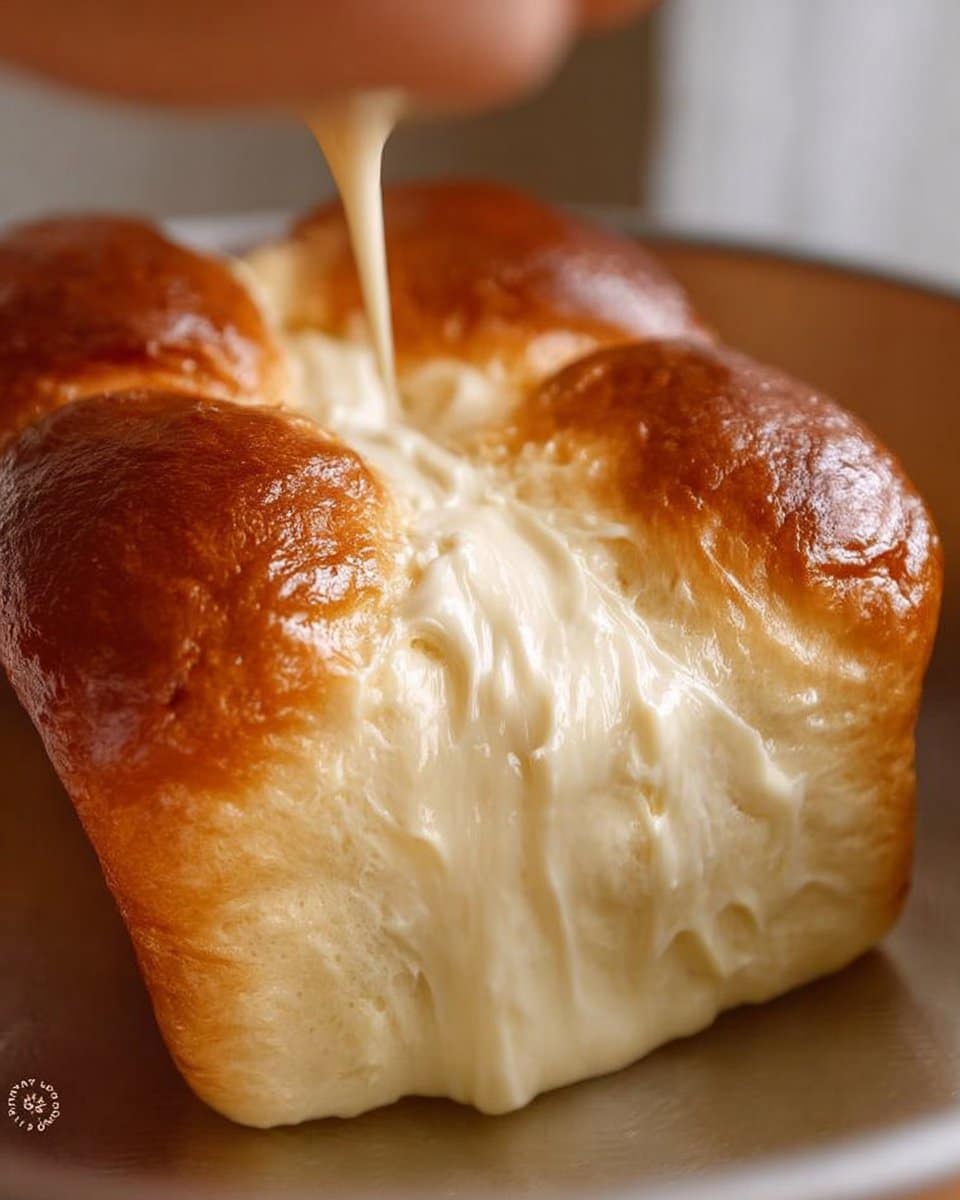
This bread is one of those reliable recipes that feels fancy and is actually kind. It stays soft for days, slices into perfect, pillowy pieces, and makes everything from simple toast to grilled cheese taste like a tiny celebration. Why it matters is simple: less stress, fewer failed loaves, and more time around the table.
It works when life is busy because the dough is forgiving. You can make the Yudane ahead of time, or let the dough rest a bit longer if dinner runs late. Family approval is almost guaranteed — kids love the texture, adults love the nostalgia. I find myself reaching for this recipe when I want comfort without fuss and a loaf that stretches into multiple meals.
The rhythm of making it is calm. There are only a few dishes, a gentle rise, and the payoff is a soft, golden loaf that smells like home. Meanwhile, you can pull together a quick salad or set out jam and butter. From there, mornings feel easier and sandwiches taste better.
How I Make Japanese Milk Bread Without Overthinking It
“When it smells this good halfway through, you know dinner’s already on your side.”
I start by thinking of texture more than technique. This bread is about creating a soft dough and treating it kindly. You will see a shiny, smooth ball of dough, and by the time it’s done the crumb will be tight but pillowy. If you keep those visuals in mind, the steps fall into place.
First up is the Yudane. It looks odd at first — a sticky paste — but it is the secret to that soft, bouncy crumb. Once warmed milk and butter meet the paste, the dough feels richer and easier to handle. Kneading should feel like a gentle workout: the dough will give under your hands and then come together into a cohesive, slightly tacky ball.
During the first rise, expect the dough to puff noticeably but not explode. Next up, you shape and give it a second short rest in the pan so it becomes tall and even. By the time it’s done baking, the top is golden and the loaf sounds hollow if you tap it gently. Just before serving, let it cool a little — patience here keeps the slices neat and keeps the crumb from compressing.
What Goes Into Japanese Milk Bread
Ingredients You’ll Need
500g bread flour
100g cake flour
50g sugar
10g salt
10g instant yeast
50g unsalted butter
450ml milk
100g water (for Yudane)
These are straightforward, pantry-friendly items. Use what you have where you can: if your milk is skim or whole, the bread will still be lovely, though whole milk gives the richest crumb. Don’t skip the Yudane step — it really changes texture more than any special flour. The sugar is modest; it balances the flavor without making it sweet like dessert.
Step by Step Directions
Prepare the Yudane by mixing 100g of bread flour with 100g of boiling water in a bowl, cover it, and let it sit for at least 4 hours or overnight.
Let the mixture rest until it cools enough to handle. It will thicken into a jelly-like paste that adds moisture and chew.In a mixing bowl, combine bread flour, cake flour, sugar, salt, and instant yeast (keeping salt and yeast separate).
Stir the dry ingredients so they are evenly distributed. Keeping salt away from the yeast initially avoids slowing the yeast too much.In a separate bowl, warm the milk and mix in Yudane along with unsalted butter until melted.
Warm milk should feel just above lukewarm — cozy but not hot. Stir until the Yudane dissolves and the butter blends smoothly.Gradually mix the wet ingredients into the dry ingredients, knead the dough until smooth and elastic.
You can do this by hand or with a mixer. Knead until the dough stretches without tearing and feels soft but not sticky. If it sticks, a light dusting of flour helps.Let the dough rise in a warm place for about 1 hour or until it doubles in size.
Cover with a damp towel or plastic wrap. A warm corner of the kitchen works well. Meanwhile, tidy the counter and prep your loaf pan.Punch down the dough, shape it into a loaf, and place it into a greased loaf pan.
I divide the dough into even pieces, roll them gently, and place them seam-side down. This creates a neat top crust and even slices.Cover and let it rise again until it has doubled in size, around 30-45 minutes.
Keep an eye on it; you want height without overproofing. By the time it’s doubled, it should nearly reach the top of the pan.Preheat the oven to 180°C (350°F).
Give the oven time to stabilize so the loaf gets an even bake. Meanwhile, brush the top lightly with milk or an egg wash if you want extra sheen.Bake for 30-35 minutes or until the top is golden brown.
Rotate the pan once if your oven has hot spots. The loaf should sound slightly hollow when tapped on top.Allow it to cool before slicing.
Let the loaf rest on a wire rack for at least 20 minutes. Slicing too soon makes the crumb gummy. From there, serve, store, or transform into tomorrow’s breakfast.
Serving Japanese Milk Bread at the Table
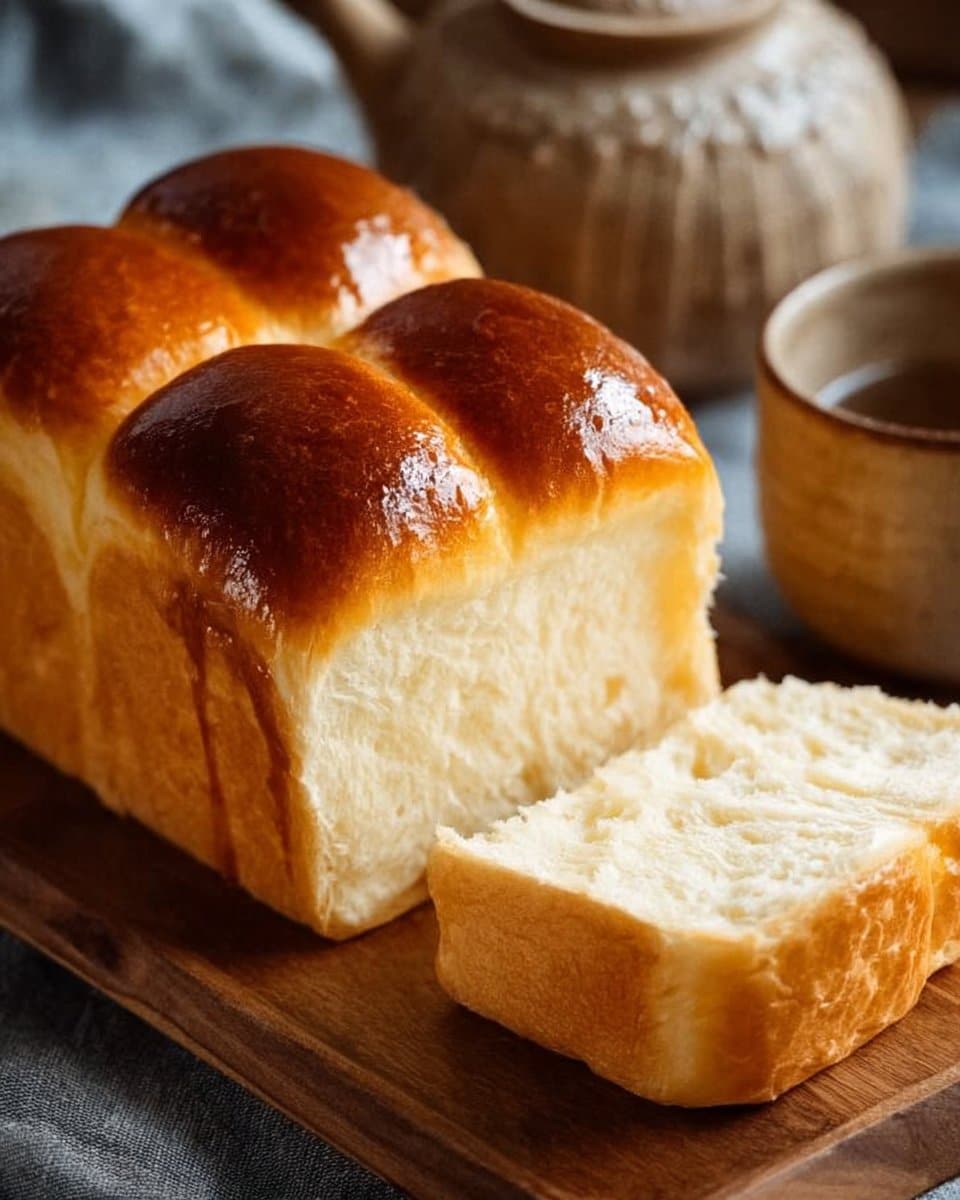
This bread shines in ordinary, everyday moments. We slice it thick for toast and thin for small sandwiches. Family-style, I set out a little board with butter, jam, and thinly sliced cheese. Kids love dipping the bread in warm soups, and the soft interior soaks up broth without falling apart.
For a weeknight, I pile slices with avocado, a squeeze of lemon, and salt. On a slow weekend, it becomes the star of French toast, soaked just enough to stay tender but not soggy. Meanwhile, leftovers turn into crumbs for a comforting bread pudding or a crunchy topping for baked vegetables.
If you want to keep things simple, a single slice with good butter and a sprinkle of sea salt is enough. Just before serving, warm slices lightly in the oven or toaster; once warmed they regain that fresh-from-the-oven feel in seconds.
Saving Japanese Milk Bread for Tomorrow
Storing this loaf is straightforward. If you plan to eat it within two days, keep it at room temperature in a breathable bag or bread box. Plastic bags will hold moisture and keep the crust softer, but they can make the crust lose its slight chew.
For longer storage, slice and freeze. Wrap slices tightly in plastic and place them in a freezer bag. That way you can pull out exactly what you need. Reheat frozen slices in a toaster or under a broiler for a minute or two. Once warmed, the slices return to the soft, pillowy texture we all love.
If you refrigerate the whole loaf, it will dry out faster. I avoid the fridge unless the house is very warm. When reheating from chilled, pop the slice into the oven at a low temperature for a few minutes with a little steam in the oven to revive it.
Notes From My Kitchen
What I’ve Learned After Making This a Few Times
- Yudane is worth the wait. Make it the night before and you have a head start the next day. It saves time and gives the crumb its signature tenderness.
- Use room temperature ingredients. The dough comes together more predictably when the milk and butter are not straight from the fridge.
- Gentle kneading beats frantic kneading. If the dough feels cohesive and springs back slightly when pressed, it’s ready. You do not need to overwork it.
- Clean as you go. This dough is forgiving and not messy. Wash bowls and tools between rests and you’ll end with fewer piles in the sink.
- If you are in a hurry, a warmer spot will speed the rises, but watch the dough carefully so it does not overproof.
Family Twists on Japanese Milk Bread
Easy Ways to Change It Up
- Savory shift: fold in finely chopped herbs like chives or rosemary during the final knead. It stays subtle and adds a lovely aroma.
- Sweet twist: stir in a few tablespoons of honey instead of some sugar and add a sprinkle of cinnamon to the top before baking. Kids notice the cozy flavor immediately.
- Seeded top: brush with milk and press sesame or poppy seeds lightly on top for a little crunch. It makes sandwiches prettier and adds texture.
- Mini loaves: divide the dough into smaller pans for portable loaves. They bake faster and are perfect for gifting a warm slice.
- Lighter version: swap half the milk for unsweetened soy milk for a dairy-free approach. Texture changes slightly but remains tender.
These adjustments are small but meaningful. They let you use the same dependable method while matching tastes at the table.
FAQs About Japanese Milk Bread
Questions I Get About This Recipe
Q: Can I make this ahead?
A: Yes. In fact, the flavors settle beautifully overnight, which makes it even better the next day. Make the dough the day before and keep it chilled for a slower, flavor-building rise.
Q: My loaf collapsed after baking. What happened?
A: That usually means the dough overproofed. Next time, watch the second rise closely. It should be about doubled, not tripled. Cooler proofing slows things and gives you more control.
Q: Can I use active dry yeast instead of instant?
A: Yes. If using active dry yeast, proof it first in warm water with a pinch of sugar until bubbly, then mix into the dough. This step ensures it is alive and working.
Q: How do I get that shiny top?
A: Brush with a little milk or an egg wash before baking. Milk gives a soft sheen while egg wash gives a glossier finish.
Q: Will this work in a bread machine?
A: You can mix and do the first rise in a bread machine, but shape by hand and bake in the oven for the best texture and height.
A Final Bite
Baking this loaf feels like a small ritual that pays off in everyday comfort. There is a sweetness in the simplicity of it — a recipe that asks for a little time and gives back warm slices for breakfasts, lunches, and late-night snacks. From the first sticky Yudane to the golden top, it is a rhythm that makes the kitchen feel like home.
Keep it slow, gentle, and be kind to the dough. Your family will notice the difference, and you will too. Until the next recipe, I hope your kitchen has the same warm hum mine does when there is bread in the oven.
Conclusion
If you want a step-by-step visual to follow along, this Japanese Milk Bread (Shokupan) (Video) 食パン • Just One Cookbook video is a lovely guide. For another take and extra photos, try this Shokupan Recipe (Japanese Milk Bread Loaf) – Chopstick Chronicles. If you enjoy playful presentations and cultural notes, this Shokupan (Japanese Milk Bread) – Tara’s Multicultural Table page is charming. For a sourdough version and detailed technique, see Sourdough Shokupan (Japanese Milk Bread) | The Perfect Loaf. And for a tested, reliable recipe with clear steps, this Shokupan (Japanese Milk Bread) Recipe from Serious Eats is a great resource.
Print
Japanese Milk Bread
- Total Time: 275 minutes
- Yield: 1 loaf 1x
- Diet: Vegetarian
Description
A tender, soft loaf of Japanese Milk Bread that stays fresh for days and is perfect for sandwiches and toast.
Ingredients
- 500g bread flour
- 100g cake flour
- 50g sugar
- 10g salt
- 10g instant yeast
- 50g unsalted butter
- 450ml milk
- 100g water (for Yudane)
Instructions
- Prepare the Yudane by mixing 100g of bread flour with 100g of boiling water in a bowl, cover it, and let it sit for at least 4 hours or overnight.
- Let the mixture rest until it cools enough to handle. It will thicken into a jelly-like paste.
- In a mixing bowl, combine bread flour, cake flour, sugar, salt, and instant yeast.
- In a separate bowl, warm the milk and mix in Yudane along with unsalted butter until melted.
- Gradually mix the wet ingredients into the dry ingredients, knead the dough until smooth and elastic.
- Let the dough rise in a warm place for about 1 hour or until it doubles in size.
- Punch down the dough, shape it into a loaf, and place it into a greased loaf pan.
- Cover and let it rise again until it has doubled in size, around 30-45 minutes.
- Preheat the oven to 180°C (350°F).
- Bake for 30-35 minutes or until the top is golden brown.
- Allow it to cool before slicing.
Notes
For the best texture, make the Yudane the night before. Use room temperature ingredients for a smoother dough.
- Prep Time: 240 minutes
- Cook Time: 35 minutes
- Category: Bread
- Method: Baking
- Cuisine: Japanese
Nutrition
- Serving Size: 1 slice
- Calories: 200
- Sugar: 3g
- Sodium: 300mg
- Fat: 8g
- Saturated Fat: 3g
- Unsaturated Fat: 5g
- Trans Fat: 0g
- Carbohydrates: 30g
- Fiber: 1g
- Protein: 6g
- Cholesterol: 20mg