
I can still hear the rattle of plates and the soft chatter from the dining table as the pan on the stove sends up that warm, slightly sweet steam. My kids set forks down with quick little grins, and someone always asks, "Is that the cabbage?" It smells like a Sunday evening in my grandmother’s kitchen near the river, where simple things tasted like an embrace. Give this Sautéed Cabbage a try and maybe it will bring your table that same gentle, familiar comfort. If you want a different cabbage spin, I often peek at an addictive izakaya-style salted cabbage recipe for inspiration and a salty kick on nights when we want something extra bold.
Why This Sautéed Cabbage Feels Like Home
This Sautéed Cabbage deserves a spot in the weeknight rotation because it is fast, forgiving, and kind to a busy family kitchen. It takes just a handful of ingredients and a few minutes at the stove, yet its warmth and subtle sweetness fill the room in a way that feels like home.
Meanwhile, the texture is what keeps everyone coming back. The cabbage goes from bright and crunchy to tender with little caramelized edges that taste faintly nutty. 
That tiny browning is flavor gold, and learning to watch for it makes a big difference.
It also plays well with many meals. Pair it with roast meats, tuck it into bowls, or let it stand as a humble side. If you have a craving for a heartier roasted riff, I love to compare the flavors and timing with roasted cabbage steaks when I want a deeper caramelized bite.
How to Make Sautéed Cabbage, The Heartwarming Way
“This is where the magic happens—when the aroma fills the kitchen and my kids come running in, asking ‘Is it ready yet?’”
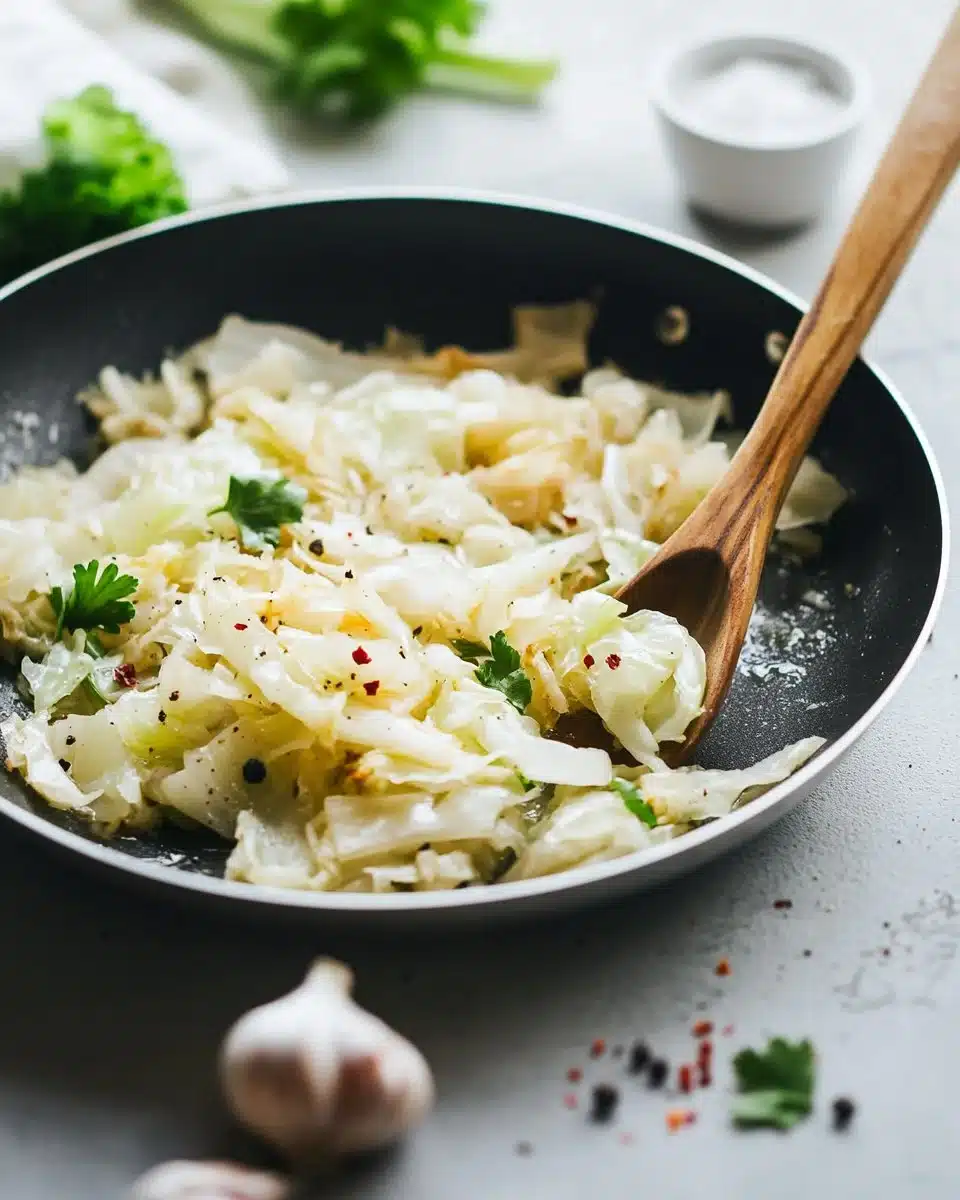
The process is straightforward: warm the oil, let the garlic perfume the pan, add the cabbage, season, and cook until tender with a few browned edges. You should aim for a tender-crisp texture rather than a limp pile. Watch for the cabbage to shift from opaque white and pale green to a soft, glossy color with a bit of browning at the edges.
Aromas will tell you if you are on the right track. Garlic should be fragrant but not browned, and the cabbage will begin to smell sweet and slightly roasted as it softens. Think of this as a gentle conversation between heat and vegetable—listen, and adjust the pace.
Ingredients You’ll Need
1 head of cabbage, chopped
2 tablespoons olive oil
2 cloves garlic, minced
Salt to taste
Black pepper to taste
1 tablespoon apple cider vinegar (optional)
Red pepper flakes (optional, for heat)
Don’t skip the garlic; it’s the soul of this dish. But also remember: use what’s in your fridge. If you have a squeeze of lemon or a handful of fresh herbs, they will play nicely. For a meatier pairing, try it alongside a sausage and cabbage stir fry for a full family meal.
Step-by-Step Directions
Heat olive oil in a large skillet over medium heat.
Warm the pan until the oil shimmers but is not smoking.
A moderate heat keeps the cabbage tender without burning.Add the minced garlic and sauté for about 1 minute until fragrant.
Stir constantly so the garlic becomes fragrant but does not brown.
If it browns, lower the heat and start again—burnt garlic tastes bitter.Add the chopped cabbage to the skillet, stirring well to coat it with the oil.
Tuck larger pieces into the hot oil so they begin to soften.
Keep the movement gentle so the cabbage cooks evenly.Season with salt, black pepper, and red pepper flakes if using.
Season early so flavors blend as the cabbage cooks.
Taste and adjust—start with a light hand and add as needed.Sauté for 5-10 minutes, stirring occasionally, until the cabbage is tender but still slightly crisp.
Look for a few brown edges and a glossy texture on the leaves.
A little patience here gives you that pleasant sweet-char flavor.If desired, add the apple cider vinegar for a tangy flavor and stir.
A splash brightens the whole dish and balances the natural sweetness.
Add it at the end so the vinegar aroma stays lively.Serve warm as a side dish.
Transfer to a warm serving bowl and bring it to the table right away.
Let your family dig in while it is at its coziest and most fragrant.
Quick tip: a little browning here builds flavor, just like my grandmother taught me. And for a fun family moment, let the kids stir during step 3—it’s the easy, safe part and they always feel helpful.
Serving Sautéed Cabbage with Love
We serve Sautéed Cabbage family-style, right in the center of the table, with spoons for everyone to help themselves. It’s a simple dish that asks for sharing; the bowl becomes a small invitation for conversation and for someone to pass the potatoes or the protein.
When we set the table, I often place little bowls of toppings nearby—crumbled bacon for those who want it, a jar of pickled red onions, or a wedge of lemon for everyone who likes a little brightness. If you’re serving it alongside a slow dinner, this cabbage joins wonderfully with stews or even playful weeknight tacos.
For easy weeknight feasts, pair it with a slow-roasted protein or a one-pan main. If you are in the mood for a comforting slow-cooked version of cabbage, I sometimes pull a pot of slow cooker unstuffed cabbage rolls from my recipe stash to round out the meal.
Storage & Reheat Tips (Keeping the Goodness)
Store leftovers in an airtight container in the fridge for up to 4 days. The cabbage keeps its texture surprisingly well, but do not let it sit too long or it will release more water and lose its bright snap.
To reheat, try these options:
- Microwave for a quick lunch, covered, in 30-second bursts until warm. Stir between bursts.
- Reheat in a skillet over medium heat for the best return to texture. A splash of olive oil and a quick toss will revive the browned edges.
- Oven method: spread on a baking sheet and warm at 350 F for 8 to 10 minutes. This brings back a bit of crispness.
If you plan to use leftovers in another dish, like a soup or grain bowl, reheat just enough to loosen and then fold into the second recipe to preserve some texture.
My Kitchen Notes & Shortcuts
- Prep ahead: Chop the cabbage in the morning and store it in a sealed container in the fridge. It saves time and keeps the kitchen calm in the evening.
- Swap the oil: If you prefer a richer flavor, use butter or half butter, half oil. It adds a lovely, cozy note.
- Add a protein: Toss in pre-cooked bacon or thin slices of leftover roast for an instant heartier dish.
- Kid-friendly trick: Let them sprinkle the seasonings and gently stir. It turns dinner into a team event.
- Make it weeknight-ready: Use a wide pan so the cabbage has room to breathe and brown a bit. Crowding the pan steams the cabbage instead of sautéing it.
For an extra shortcut, I sometimes mix in a spoonful of mustard or a drizzle of tahini at the end for a new flavor angle. The point is to keep it simple and joyful.
Family-Friendly Variations
Keep this base and let each family member customize. Here are a few of our favorite ways to change it up:
- Lighter version: Omit added fats, sauté quickly with a nonstick spray, finish with lemon.
- Kid-approved mild: Skip red pepper flakes and add a dash of sweet smoked paprika for color.
- Hearty bowl: Add cooked grains, a fried egg, and a spoon of soy sauce for a warm bowl lunch.
- Herby twist: Toss in parsley, dill, or chives at the end for a fresh lift.
- Umami boost: Stir in a bit of soy sauce or miso paste with the vinegar for a savory depth.
These swaps make the recipe feel new while keeping its soul. Encourage everyone at the table to pick a topping or two—my kids love grated cheese, but my spouse prefers a bright squeeze of lemon.
FAQs About Sautéed Cabbage
Can I make this ahead for a busy week?
Absolutely. Letting it sit for an hour in the fridge sometimes helps the flavors mingle, much like letting a soup rest. Just reheat gently to keep the texture.
How do I know when the cabbage is done?
It should be tender but still a little crisp and glossy. Look for a few browned edges and a sweet aroma. If it looks soggy, you likely steamed it too much.
Can I add other vegetables?
Yes. Thinly sliced carrots, bell peppers, or onions make lovely partners. Add firmer vegetables earlier and delicate ones near the end.
Is apple cider vinegar necessary?
No, it is optional. The vinegar brightens the flavors and balances the sweetness, but you can swap lemon juice or skip it altogether.
How can I make this more filling?
Toss in cooked beans, chickpeas, or diced cooked sausage. It transforms the side into a satisfying main.
One Final Thought from My Kitchen
This little dish has become one of our weeknight heroes because it gives a lot of comfort for very little fuss. It teaches you to trust your senses and trust the simple things. If you listen for the sounds of the pan and enjoy the aroma as it moves through the house, you will find that cooking is less about perfection and more about presence.
Conclusion
If you want more ideas and variations to try alongside this method, I like to compare techniques and flavor notes with other trusted recipes like Well Plated’s sauteed cabbage recipe to see different seasoning and timing tips. For another home-cook friendly take, check out Good Dinner Mom’s sautéed cabbage for inspiration on tweaks and serving ideas.
I hope this Sautéed Cabbage finds its way to your table and to the gentle, everyday moments that make family dinners so meaningful. Until next time, happy cooking and warm meals around the table.
Print
Sautéed Cabbage
- Total Time: 20 minutes
- Yield: 4 servings 1x
- Diet: Vegan
Description
A comforting and quick sautéed cabbage dish that brings warmth and subtle sweetness to your weeknight dinners.
Ingredients
- 1 head of cabbage, chopped
- 2 tablespoons olive oil
- 2 cloves garlic, minced
- Salt to taste
- Black pepper to taste
- 1 tablespoon apple cider vinegar (optional)
- Red pepper flakes (optional, for heat)
Instructions
- Heat olive oil in a large skillet over medium heat.
- Add the minced garlic and sauté for about 1 minute until fragrant.
- Add the chopped cabbage to the skillet, stirring well to coat it with the oil.
- Season with salt, black pepper, and red pepper flakes if using.
- Sauté for 5-10 minutes, stirring occasionally, until the cabbage is tender but still slightly crisp.
- If desired, add the apple cider vinegar for a tangy flavor and stir.
- Serve warm as a side dish.
Notes
Feel free to customize with your favorite toppings or substitutions. Pair with roast meats or serve as a simple side.
- Prep Time: 10 minutes
- Cook Time: 10 minutes
- Category: Side Dish
- Method: Sautéing
- Cuisine: American
Nutrition
- Serving Size: 1 serving
- Calories: 150
- Sugar: 5g
- Sodium: 200mg
- Fat: 10g
- Saturated Fat: 1g
- Unsaturated Fat: 8g
- Trans Fat: 0g
- Carbohydrates: 10g
- Fiber: 4g
- Protein: 3g
- Cholesterol: 0mg