
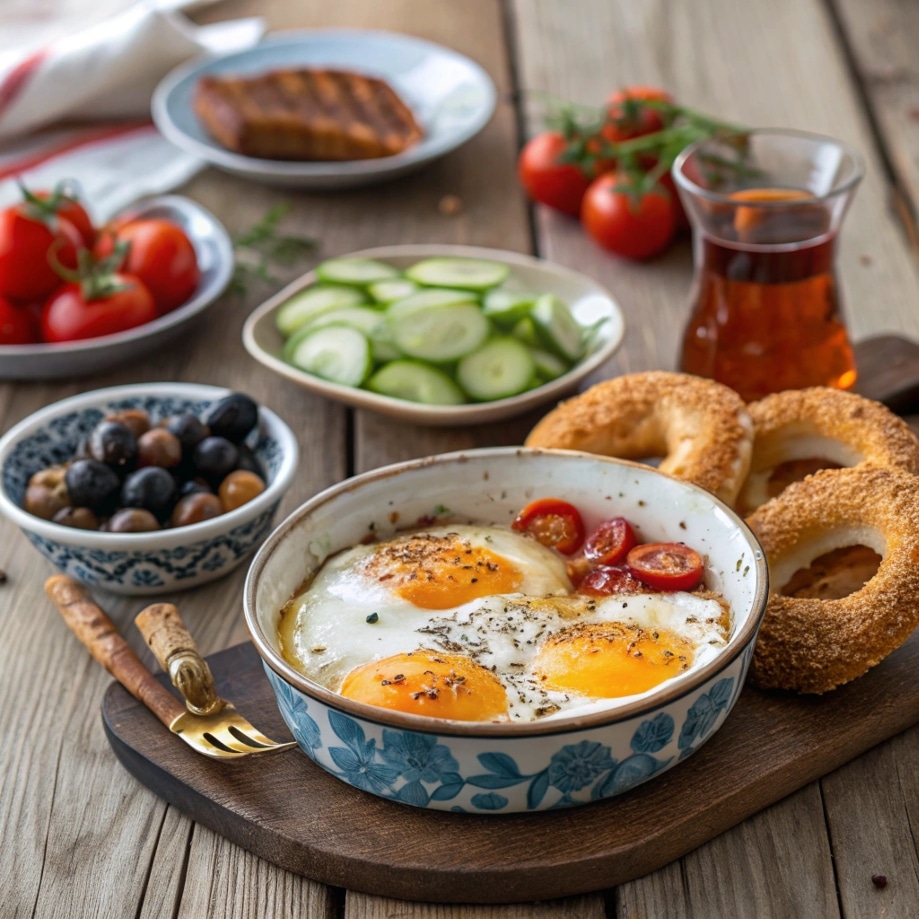
Turkish Food Guide: Traditional Flavors and Recipes to Love
Turkish food holds a special place in the world of cuisine. It connects Asia, the Middle East, and Europe through flavors, cooking methods, and traditions. Anyone who sits down at a Turkish table quickly learns that meals are not just about filling the stomach. They are about friendship, family, culture, and history. In this guide, we will explore Turkish recipes, iconic breakfast dishes like Turkish eggs, vibrant street food, savory main courses, and even sweets that rival Italian desserts. If you enjoy discovering food recipes that are both comforting and exciting, Turkish cuisine offers endless inspiration. By the end of this article, you will see why so many people around the globe treasure these yummy dinner recipes and celebrate them at their own tables.
The Heart of Turkish Food Culture
Turkish food grew from centuries of empire and trade. The Ottoman Empire ruled across three continents and absorbed many influences. This history shaped meals with spices from Asia, grains from the Middle East, and herbs from the Mediterranean. Hospitality lies at the center of the culture. A visitor is always offered tea or coffee, along with bread or small snacks. It is said in Turkey that if someone shares bread and salt with you, they are bound as friends for life. This spirit of sharing runs through every part of Turkish cuisine, whether in a humble family kitchen or a bustling city restaurant.
The daily rhythm of Turkish meals also shows the value of food. Breakfast is large and hearty. Lunch can be simple but flavorful. Dinner brings the family together with dishes like grilled meats, soups, and vegetable stews. Special occasions feature entire spreads, where both savory and sweet foods are offered in abundance. Every dish tells a story of migration, trade, and local traditions.
Turkish Breakfast: A Feast to Start the Day
One of the most famous traditions in Turkish food is the morning spread. Turkish breakfast is unlike anything else. It includes cheeses, olives, tomatoes, cucumbers, fresh bread, jams, honey, butter, and often eggs. Among these, Turkish eggs stand out as a global favorite. Known locally as “çılbır,” these are poached eggs served over garlicky yogurt, then topped with melted butter flavored with paprika or chili. The result is creamy, tangy, and slightly spicy all at once. This combination has become popular outside of Turkey as well, with chefs around the world adding their own touches.
Another essential element is simit, the sesame-coated bread ring often compared to a bagel. People enjoy it with cheese and tea. Menemen, a scrambled egg dish with tomatoes and peppers, is another breakfast highlight. Both simple and filling, it shows how food recipes in Turkey make the most of seasonal produce. For those with a sweet tooth, breakfast might end with a piece of baklava or lokma, which connects the meal to the realm of Italian desserts in terms of richness and indulgence.
Street Food and Everyday Favorites
Turkish food is not only about grand feasts. It also shines in everyday street meals. Walk through the streets of Istanbul or Ankara and you will find stalls selling döner kebabs, stuffed mussels, roasted chestnuts, and grilled corn. Gözleme, a thin flatbread stuffed with cheese, spinach, or meat, is a snack that many enjoy at festivals and markets. These meals are affordable, flavorful, and part of the daily life of the cities.
Street food in Turkey often acts as an introduction for visitors. While some travelers may later search for gourmet Turkish recipes to recreate at home, their first memory is often of eating a warm simit or sipping a strong Turkish coffee on a bustling corner. These moments connect people to the culture through taste and atmosphere.
Main Courses and Yummy Dinner Recipes
When it comes to dinner, Turkish food is full of variety. Grilled meats are common, especially lamb and chicken. Kebabs can be served on skewers, wrapped in bread, or layered with yogurt and sauce. Köfte, small spiced meatballs, are another beloved dish. They are often paired with rice, salads, and bread, making them an easy addition to yummy dinner recipes for any household.
Vegetables play a major role in many Turkish meals. Stuffed peppers and eggplants, known as dolma, show the creativity of the cuisine. Pilafs made with bulgur or rice provide hearty bases. Lentil soup, called mercimek çorbası, is another everyday staple. It is light but nourishing, ideal for both lunch and dinner. In the spirit of food recipes that balance flavor with health, many Turkish dishes include yogurt sauces and fresh herbs to add both creaminess and brightness.
Seafood also appears often, especially in coastal regions. Grilled fish served with lemon and salad is a refreshing option. In the Black Sea region, anchovies are prepared in countless ways. These simple meals fit well into the modern search for quick and healthy dinner recipes, making Turkish food adaptable to contemporary lifestyles.
Turkish Sweets and Desserts
No guide to Turkish food would be complete without desserts. Baklava is the most famous, with layers of phyllo pastry, nuts, and syrup. Each bite is rich and crunchy, appealing to anyone who loves sweets. Lokum, better known as Turkish delight, is another iconic treat. It comes in many flavors, from rose to pistachio, and is often dusted with powdered sugar.
Milk-based desserts are also popular. Kazandibi, a caramelized milk pudding, and sütlaç, a baked rice pudding, are served in many homes and restaurants. These dishes connect Turkish traditions with global dessert cultures, even drawing comparisons with Italian desserts like panna cotta and tiramisu. They show how different cultures can express sweetness in unique ways while sharing the same love for indulgence.
Regional Flavors Across Turkey
The geography of Turkey influences its cuisine. In the Aegean region, olive oil dishes dominate. Fresh herbs, vegetables, and seafood play central roles. The Southeastern region, with cities like Gaziantep, is famous for spicy kebabs and pistachio-based sweets. The Black Sea region favors corn, anchovies, and hearty stews. Each region tells a different story through its meals, and together they form the complete tapestry of Turkish food.
Travelers often discover that even within a single dish, such as dolma or kebabs, recipes vary by region and even by family. This diversity makes Turkish cuisine both familiar and endlessly surprising. It also provides countless opportunities for cooks at home to experiment with Turkish recipes and adapt them to their own kitchens.
How Turkish Food Inspires Modern Kitchens
Many people outside of Turkey now cook Turkish-inspired meals at home. The use of yogurt, olive oil, spices like cumin and sumac, and fresh vegetables fits easily into modern cooking. Dishes like Turkish eggs have become brunch favorites in cafes around the world. Street foods like gözleme inspire fusion recipes that blend Turkish traditions with other cultures.
Home cooks searching for yummy dinner recipes often turn to these flavors because they combine comfort with excitement. Families who enjoy trying new food recipes appreciate the way Turkish meals can be simple enough for weeknights yet special enough for gatherings. Even dessert lovers who enjoy Italian desserts find joy in trying baklava or sütlaç for a new experience.
Conclusion
Turkish food is a celebration of culture, family, and flavor. From rich breakfasts with Turkish eggs to flavorful street food, from hearty dinners to sweet desserts, it offers something for everyone. It connects people across borders, showing how traditions can be shared at any table. Whether you are looking for authentic Turkish recipes, exploring connections with Italian desserts, or adding new yummy dinner recipes to your routine, this cuisine will always deliver both taste and meaning. Every dish tells a story, and every bite reminds us that food is more than sustenance. It is memory, joy, and community.
Print
Turkish Food Guide | Traditional Flavors and Recipes
- Total Time: 25 minutes
- Yield: 2 servings (for eggs) or 4 servings (for mains) 1x
Description
This Turkish food guide explores traditional recipes, iconic breakfasts, street foods, and sweet desserts. Discover how Turkish cuisine blends flavor, family, and culture in every meal, from Turkish eggs to baklava.
Ingredients
- 4 eggs
- 1 cup plain yogurt
- 2 garlic cloves, minced
- 2 tbsp butter
- 1 tsp paprika or Aleppo chili flakes
- Salt to taste
- Optional: fresh herbs (dill or parsley)
- For meals: ground lamb or beef, bulgur, olive oil, fresh vegetables (tomatoes, cucumbers, eggplant), chickpeas, rice
- For dessert: phyllo pastry, pistachios, sugar syrup, milk, rice, cornstarch, rosewater
Instructions
- Prepare Turkish eggs (çılbır): Mix yogurt with minced garlic and salt, then set aside.
- Poach eggs in simmering water with a splash of vinegar until whites are set but yolks remain soft (about 3–4 minutes).
- In a small pan, melt butter and stir in paprika or chili flakes to make spiced butter sauce.
- Spread yogurt mixture onto serving plates, place poached eggs on top, and drizzle with the hot butter sauce.
- Garnish with fresh herbs and serve with warm bread.
- For savory meals, use ground lamb or beef in kebabs or köfte with spices like cumin and sumac.
- Pair with rice pilaf, lentil soup, or stuffed vegetables (dolma).
- Try Turkish dessert by layering phyllo pastry with chopped nuts and syrup for baklava, or make sütlaç (rice pudding) with milk and sugar.
Notes
Turkish meals are about sharing and variety. Use high-quality yogurt, olive oil, and fresh herbs for authentic flavor. Turkish eggs are best served warm with crusty bread or simit.
- Prep Time: 15 minutes
- Cook Time: 10 minutes
- Category: Breakfast / Main / Dessert
- Method: Poaching / Stovetop / Baking
- Cuisine: Turkish
Nutrition
- Serving Size: 1 plate (Turkish eggs)
- Calories: 320
- Sugar: 3g
- Sodium: 200mg
- Fat: 25g
- Saturated Fat: 10g
- Unsaturated Fat: 12g
- Trans Fat: 0g
- Carbohydrates: 6g
- Fiber: 0g
- Protein: 16g
- Cholesterol: 370mg