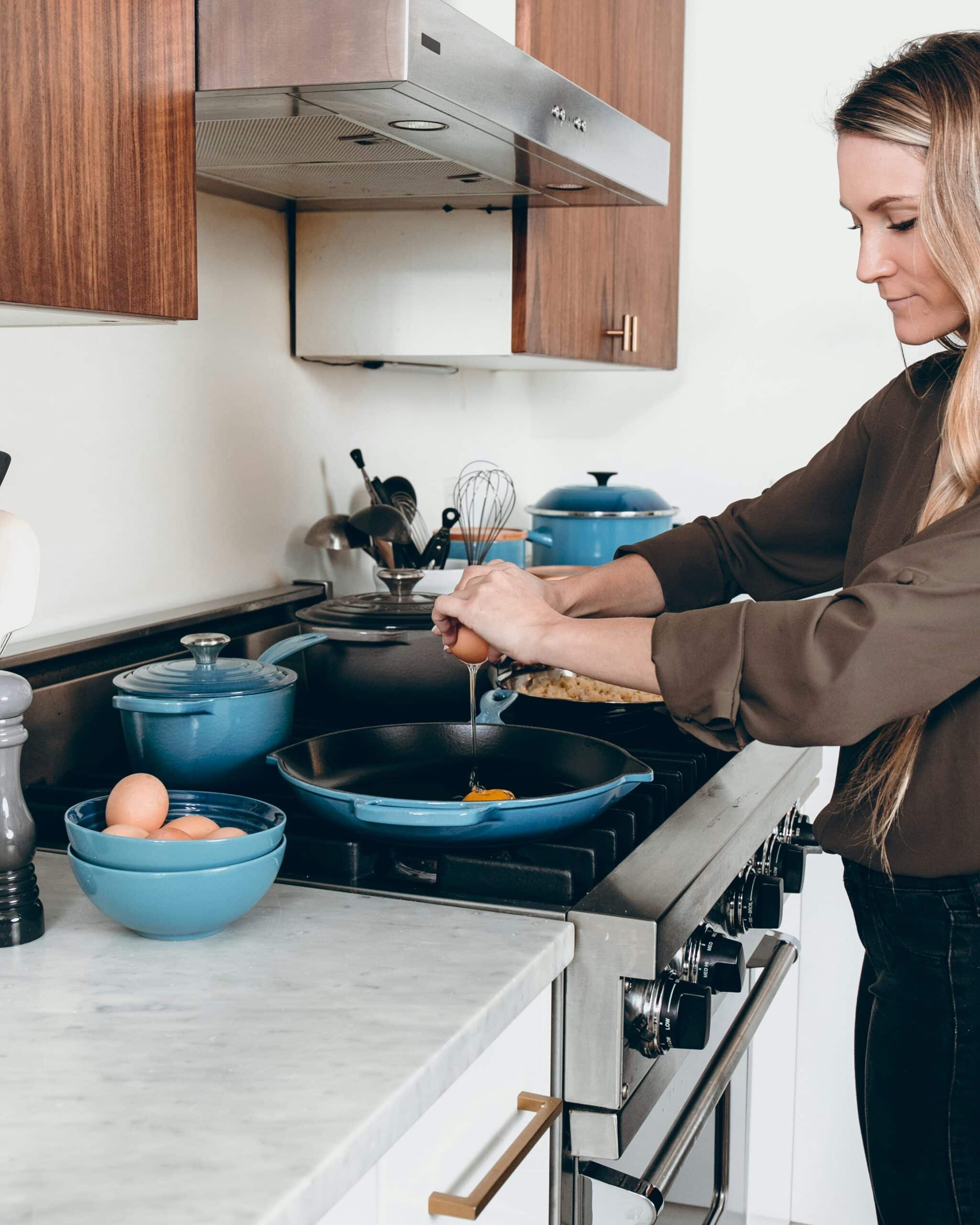
The sound of my kids setting the table echoes through the kitchen as I whisk together the ingredients for homemade mayonnaise. It’s a comforting blend of simplicity and creativity that fills the room. The familiar tang of vinegar and the richness of egg combine to create something that feels like a touch of home. In this bustling moment, I am reminded that cooking is not just about nourishment but about creating joy and memories around the table.
Why This How To Make Mayonnaise Feels Like Home
Making homemade mayonnaise is more than just whipping up a condiment. It’s a ritual that brings back memories of family gatherings where laughter and good food filled the air. The creamy texture and rich flavor of homemade mayo remind me of my grandmother, whose kitchen was always a haven of warmth and love. This recipe bridges generations, creating connections while enabling us to introduce our kids to the joy of good food.
Mayonnaise made from scratch captures that feeling of home—a rich, tangy flavor that elevates every meal. After just a few minutes in the kitchen, you can create a versatile condiment that can enhance everything from sandwiches to salads. It’s a simple magic that makes this recipe a new family favorite.
Why How To Make Mayonnaise is Our New Family Favorite
This mayonnaise recipe is perfect for our busy lives while maintaining that element of homeliness. It comes together quickly and allows for creativity, so it never feels like a chore. It’s a recipe that pleases everyone in the family, whether you’re layering it onto a sandwich, using it for a dip, or as a base for salads.
The best part about homemade mayo is how it tastes—fresh, flavorful, and rich, completely unlike anything you can buy at the store. With just a handful of everyday ingredients, you can whip up a batch in minutes. Plus, the kids can help! It turns meal preparation into a fun, engaging family activity.
The Simple Magic Behind How To Make Mayonnaise
Making mayonnaise is like a science experiment and an art project rolled into one. You’ll be creating a creamy, luscious emulsion that can be used in countless ways. The wonderful part is that the process is straightforward, and once you master it, you’ll feel accomplished and amazed at your culinary prowess.
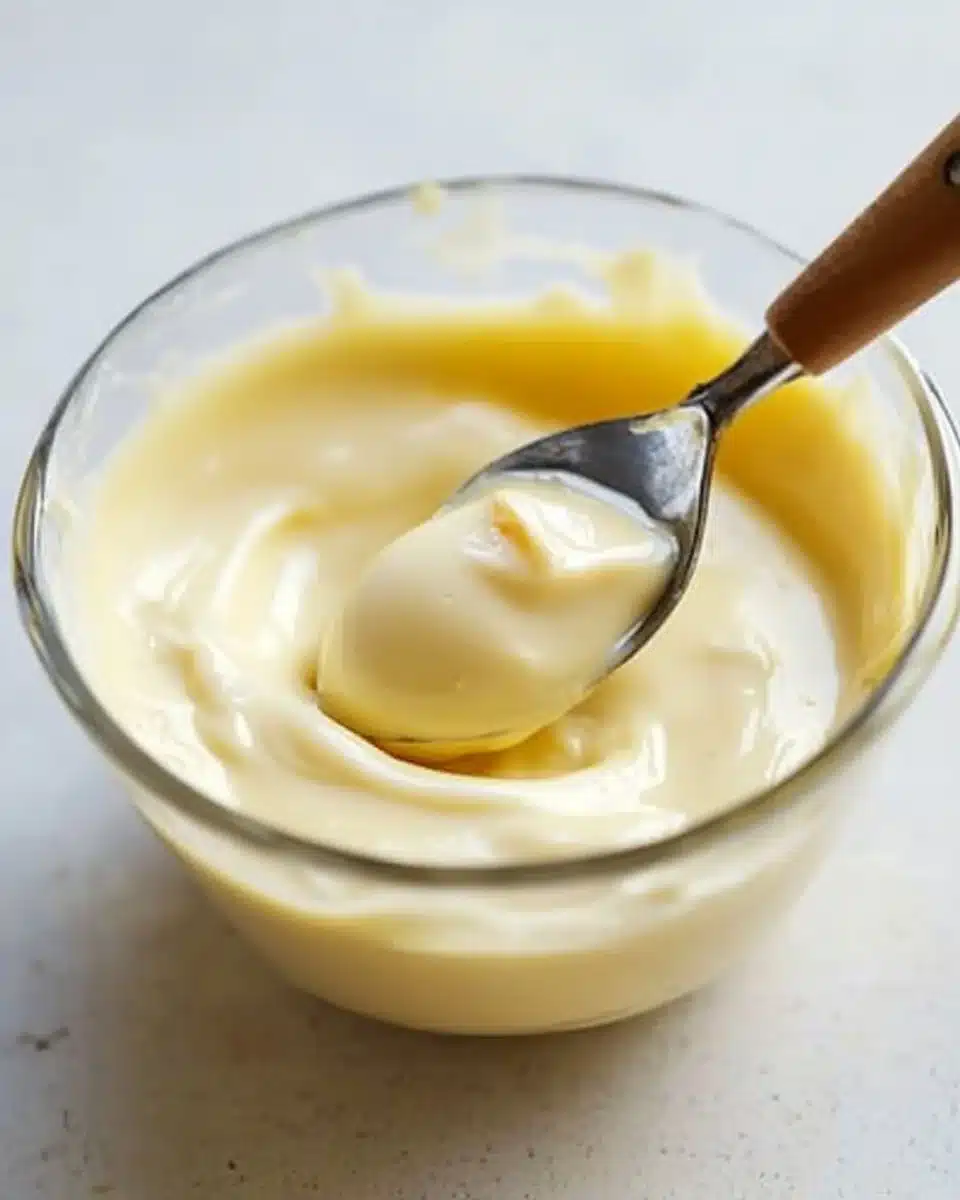
To get the right texture, you only need to wield some simple kitchen tools and ingredients. The magic will happen as the oil combines with egg and mustard, creating a silky sauce that clings perfectly to everything it touches. Watch closely, and you’ll see the transformation right before your eyes. It’s a delightful experience that is easy for any beginner cook, and I’m here to guide you every step of the way.
“This is where the magic happens—when the aroma fills the kitchen and my kids come running in, asking ‘Is it ready yet?’”
Ingredients You’ll Need
To create this delicious mayonnaise, gather these simple ingredients:
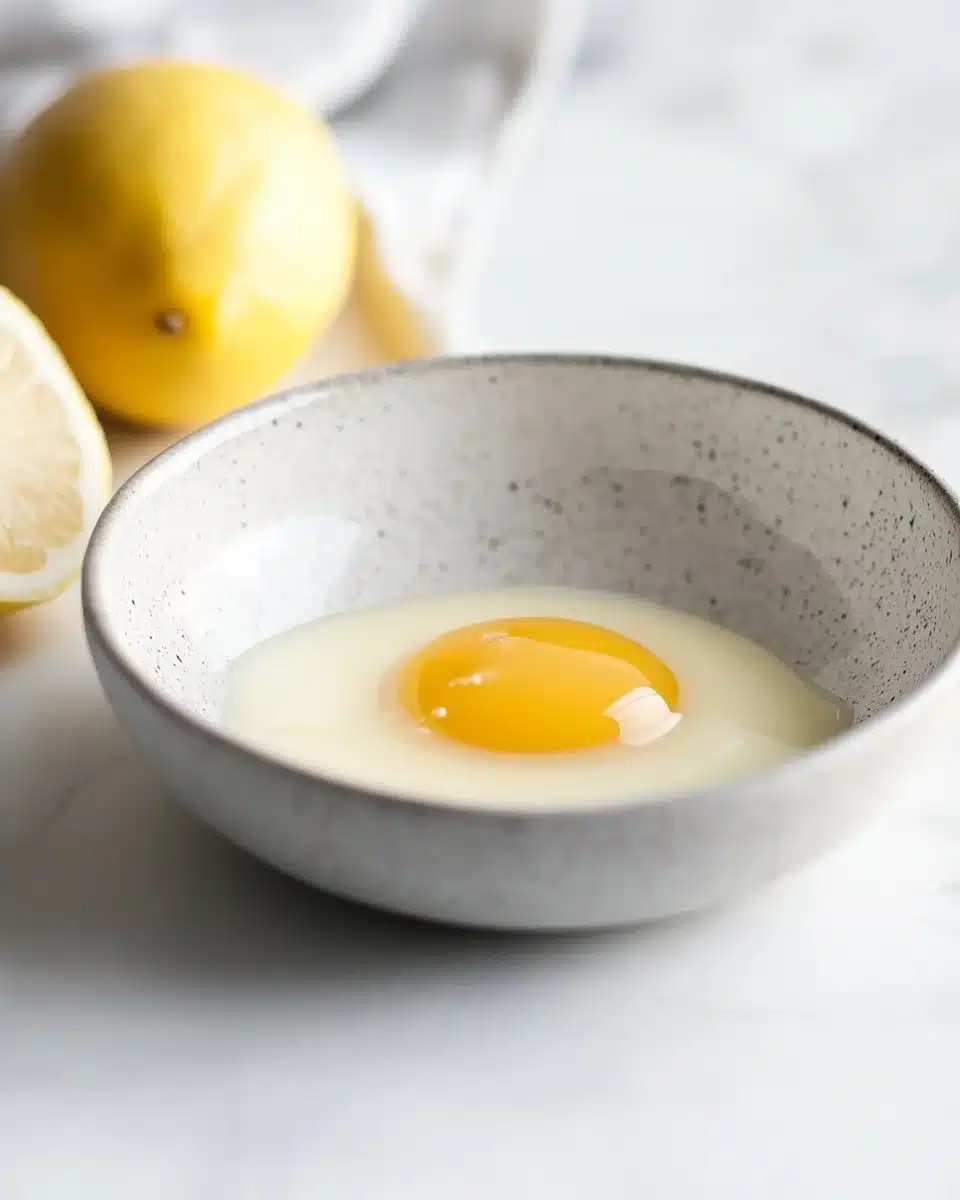
- 1 whole egg
- 1 Tbsp prepared yellow mustard
- 1 tsp sea salt
- 1 tsp granulated cane sugar
- 2 tsp lemon juice (juice from 1/2 small lemon)
- 2 Tbsp white distilled vinegar
- 1 1/4 cup sunflower oil
As you gather these ingredients, take a moment to appreciate the simplicity. Don’t skip the mustard; it isn’t just a flavor booster. It helps emulsify the sauce, making it thick and rich. If you have some fresh herbs, throw them in for extra flavor—this process is all about creativity. Use what’s in your fridge; it’s about enjoying yourself in this lovely culinary adventure.
Step-by-Step Directions
Let’s dive into the fun part. Here’s how to make mayonnaise, step by step:
-
Prepare Your Ingredients: Start by gathering everything. It’s essential to have everything measured and ready to go. This makes the process smooth and enjoyable.
-
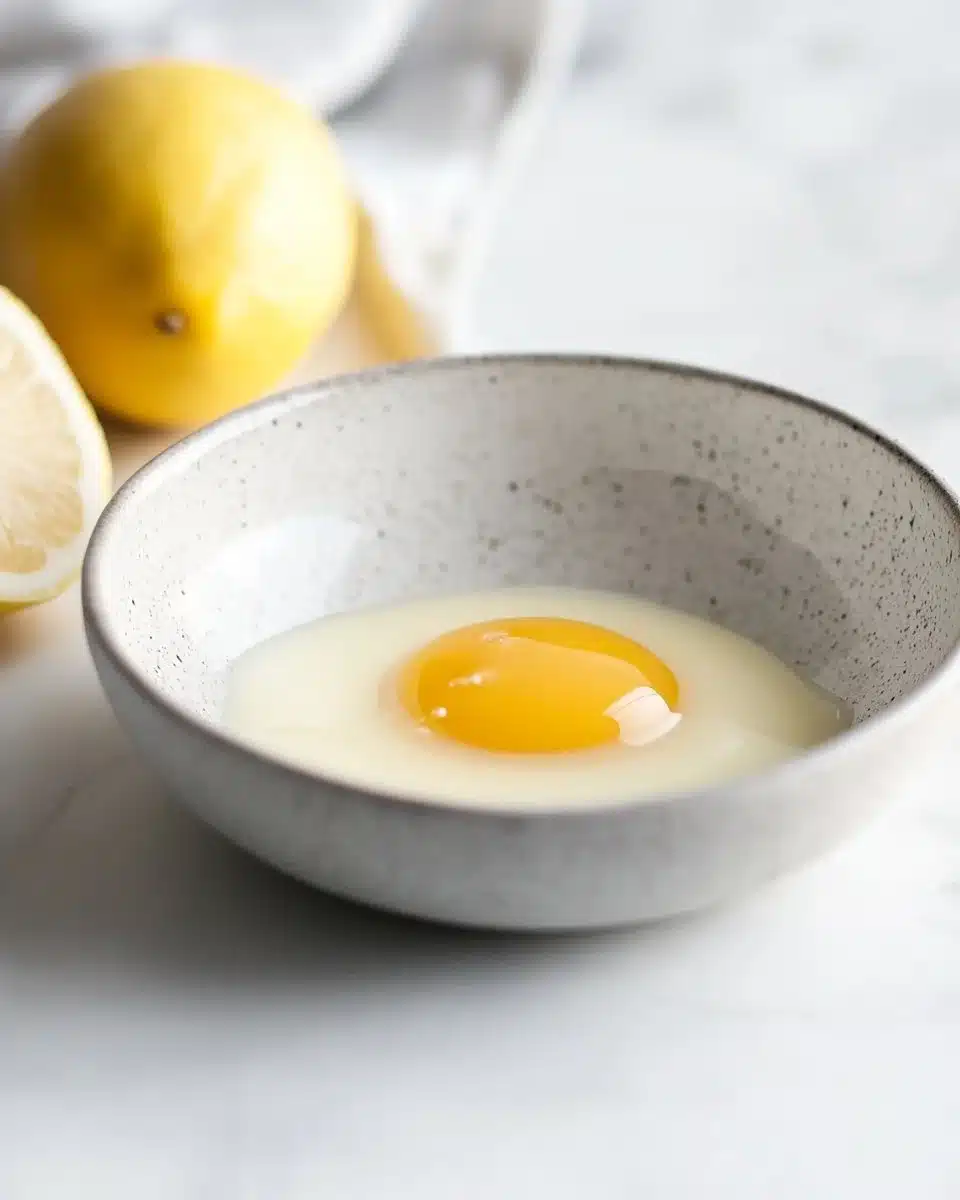
Blend Everything: In a tall container, add the whole egg, mustard, salt, sugar, lemon juice, and vinegar. Use an immersion blender or a regular blender to combine them until they’re smooth. This should only take about 30 seconds.
-
Add the Oil Slowly: While blending on a low setting, slowly drizzle in the sunflower oil. Patience is key here—add it in a thin stream. You want to give the mixture a chance to emulsify properly.
-
Increase Speed: Once you see the mayo starting to thicken and change color, you can increase the speed of your blender. Continue until it reaches your desired thickness—it should take about 30 seconds to a minute more.
-
Taste & Adjust: At this stage, taste your mayonnaise. You can add a little more salt or lemon juice if you want it tangier. A little bit of tweaking can turn a good mayo into a great one.
-
Store It Right: Transfer your freshly made mayonnaise into a clean, airtight container. It can be stored in the refrigerator for about a week.
With each step, you’ll see how easy it is to create something extraordinary. I remember how my grandmother would stir our homemade mayo, her hands deftly swirling in the oil, revealing that silky texture as she taught me the process. Now, my kids gaze in awe, eagerly waiting to taste the fruits of their labor.
Serving How To Make Mayonnaise with Love
Once you have your homemade mayonnaise, it’s time to serve it up with love. In our home, we love to make it a family affair. We bring out a platter of colorful vegetables, crispy fries, or fresh sandwiches to enjoy alongside our creamy concoction. Everyone gets involved at the table, scooping out dollops of mayonnaise to dip their favorites into.
It’s a delightful addition to everything, whether slathered on a piece of toast or as a base for an herb-infused potato salad that your family will talk about for days. I’ve seen my kids experiment with flavors by adding garlic or fresh herbs to the mayo, making it their own. Each meal turns into a sharing experience, inviting everyone to participate and choose their favorites.
Storage & Reheat Tips
Storing your leftover mayonnaise properly keeps it fresh for your next meal. To do this, ensure you’re using a clean, airtight container; I tend to go for a glass jar. It’s also important to label it with the date so you don’t lose track.
Homemade mayo can last about a week in the fridge. For storage, always take out only what you need to prevent contamination. Remember, this delicate condiment is best enjoyed fresh, so using it sooner rather than later brings out the best flavors.
Reheating Leftovers
You won’t need to reheat mayonnaise, as it’s best served cold or at room temperature. When using it after refrigerating, let it sit out for a few minutes before serving. This way, it will spread more easily over your sandwiches or vegetables.
My Kitchen Notes & Shortcuts
Here are a few tips from my kitchen to yours that can enhance your mayonnaise-making experience:
- Quality Ingredients Matter: Use fresh eggs to ensure the best flavor. If possible, buy local eggs for a richer taste.
- Experiment with Flavors: Try adding different herbs or spices to customize your mayo. A little smoked paprika or chipotle can give it a fun twist.
- Get the Kids Involved: Let them add the spices or drizzle in the oil. It helps them feel included and makes cooking more enjoyable.
- Prep Ahead: Make a big batch on the weekend. It will save you time during the week for quick lunches and snacks.
Family-Friendly Variations
Flexibility is key when making mayonnaise. Here are some family-friendly variations that can get the creative juices flowing:
- Herb Mayo: Blend in fresh herbs like dill, parsley, or basil. It’s a great way to sneak in extra flavor for those picky eaters.
- Spicy Mayo: Add a bit of Sriracha or hot sauce for those who enjoy a kick. This variation is fantastic for dipping.
- Garlic Mayo: Incorporate minced garlic for a creamy aioli alternative. Perfect for sandwiches or grilled veggies.
Encourage your family to get creative and make the mayo their own. Cooking together fosters connections, and adding these little twists keeps meals fun and exciting.
FAQs About How To Make Mayonnaise
Can I make this ahead for a busy week?
Absolutely! In fact, letting it sit for an hour allows the flavors to blend beautifully—just like an old family recipe.
What if my mayonnaise doesn’t thicken?
If your mayonnaise doesn’t come together, don’t panic. Just start with another egg in a clean bowl, blend it, and slowly add the runny mayo while blending until it emulsifies.
How can I use leftover mayo?
Use leftover mayo as a dressing for coleslaw, as a dip for veggies, or even in pasta salads. The possibilities are endless.
One Final Thought from My Kitchen
As you embark on this mayonnaise-making journey, I hope it finds a special place in your home—just as it did in my grandmother’s kitchen. Cooking is a love language, and homemade mayonnaise is just one way to express that love. Enjoy the process, cherish the little moments shared with family, and may this simple recipe bring flavor and joy to your table. Until next time, happy cooking!
Print
Homemade Mayonnaise
- Total Time: 10 minutes
- Yield: 1 1/2 cups 1x
- Diet: Vegetarian
Description
A simple and creamy homemade mayonnaise recipe that brings a taste of home to every meal.
Ingredients
- 1 whole egg
- 1 Tbsp prepared yellow mustard
- 1 tsp sea salt
- 1 tsp granulated cane sugar
- 2 tsp lemon juice (juice from 1/2 small lemon)
- 2 Tbsp white distilled vinegar
- 1 1/4 cup sunflower oil
Instructions
- Prepare your ingredients: Gather everything measured and ready to go.
- Blend everything: In a tall container, add the egg, mustard, salt, sugar, lemon juice, and vinegar. Blend until smooth.
- Add the oil slowly: While blending on low, drizzle in the sunflower oil to emulsify.
- Increase speed: Once thickened, increase the blender speed until desired thickness is reached.
- Taste & adjust: Taste your mayo and add more salt or lemon juice as needed.
- Store it right: Transfer to a clean container and refrigerate for up to a week.
Notes
Use fresh eggs for the best flavor. Feel free to add herbs or spices to customize your mayo.
- Prep Time: 10 minutes
- Cook Time: 0 minutes
- Category: Condiment
- Method: Blending
- Cuisine: American
Nutrition
- Serving Size: 1 tablespoon
- Calories: 100
- Sugar: 1g
- Sodium: 100mg
- Fat: 11g
- Saturated Fat: 1g
- Unsaturated Fat: 9g
- Trans Fat: 0g
- Carbohydrates: 1g
- Fiber: 0g
- Protein: 1g
- Cholesterol: 80mg